Field Practical Training · BSc Forestry

27 April 2026 · SUATIF–Olmotony, Arusha · 3 min read
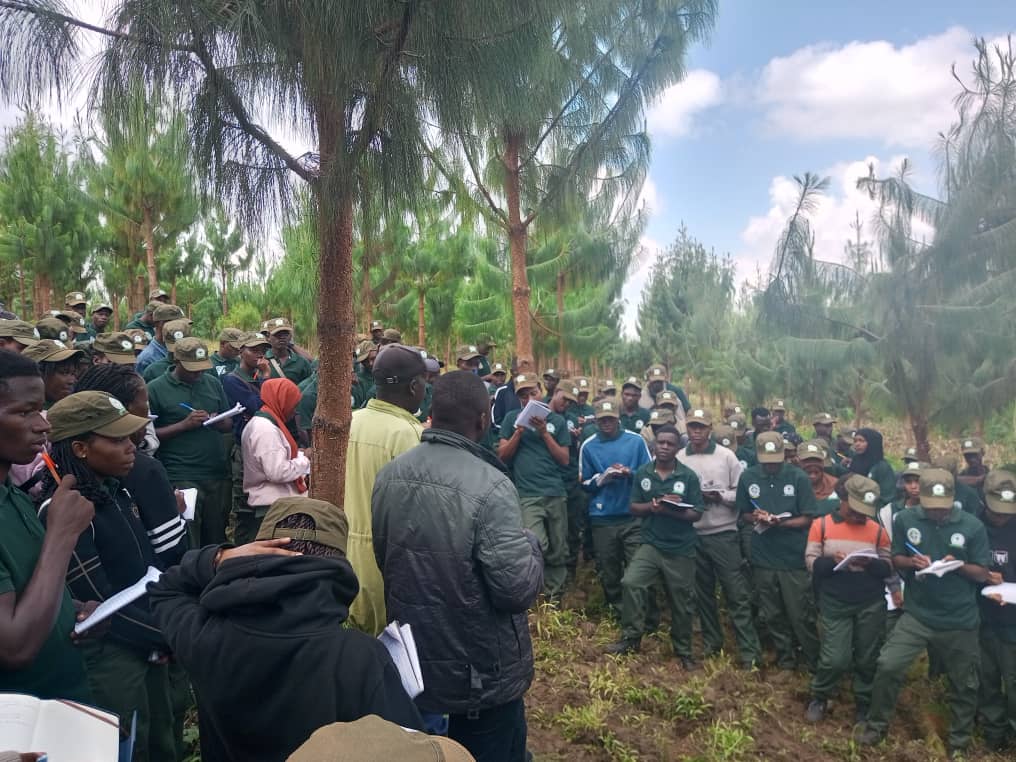
Second-year BSc Forestry students from the Department of Ecosystems and Conservation have continued their Field Practical Training at SUATIF–Olmotony in Arusha, gaining hands-on experience of the forest management systems they study in class.
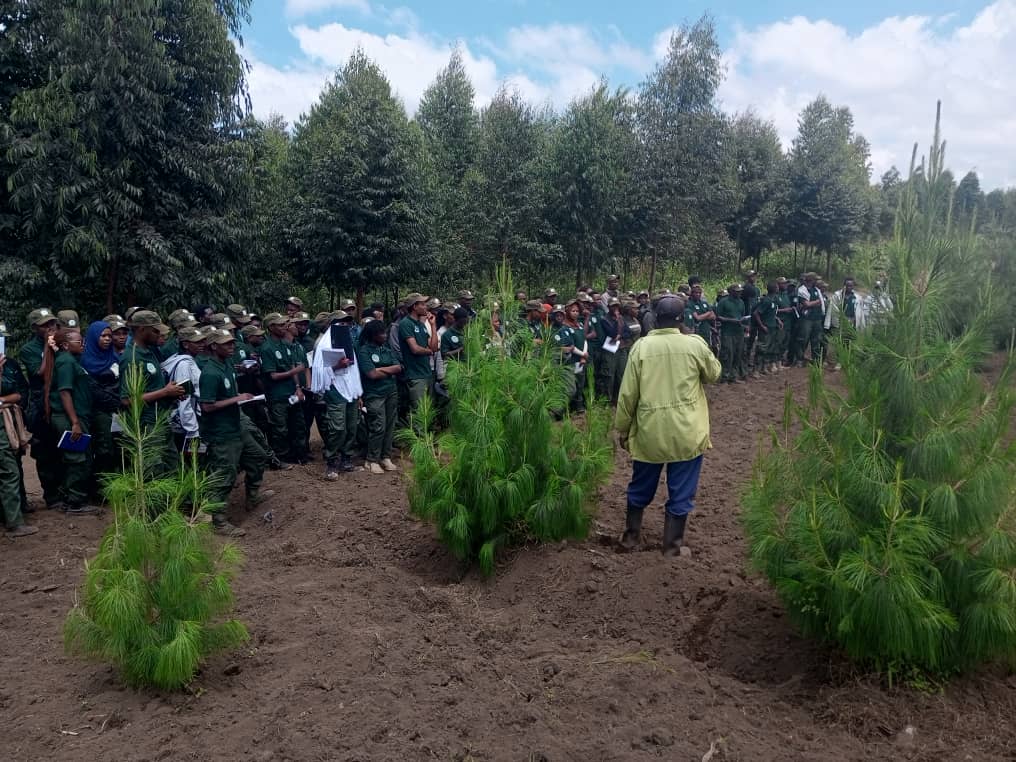
Taungya: growing food and forests together
The session focused on the Taungya system, an agroforestry practice in which food crops are interplanted with young forest stands. Students examined how the approach supports the early establishment of plantations, lowers weeding costs and contributes to household food security. They also weighed its main challenge: the potential for competition between crops and trees, which has to be managed carefully.
Woodlots in the rural economy
Students then turned to woodlots, assessing their size, the tenure arrangements under which they are held, and the roles they play in rural economies as sources of fuelwood, poles and small-scale timber. Through guided observation, they learned to distinguish woodlots from forest plantations and from broader agroforestry practices.
Key learning outcomes
- How Taungya supports plantation establishment, reduces weeding costs and strengthens food security
- Recognising and managing competition between crops and trees
- Assessing woodlot size, tenure and uses for fuelwood, poles and small-scale timber
- Distinguishing woodlots, forest plantations and wider agroforestry practices in the field
Why it matters
Beyond building technical competence, the training connects forestry education to national and global priorities. In Tanzania, sustainable wood production and agroforestry help reduce pressure on natural forests, support climate-resilient livelihoods and meet the growing demand for forest products.
Globally, systems such as Taungya and community-managed woodlots contribute to climate change mitigation and landscape restoration. The experience equips students with the knowledge they need for sustainable forest management and carbon-smart land-use planning.
Contributing to the UN Sustainable Development Goals
Acknowledgements
We sincerely thank the supervisors for their guidance and professionalism in delivering high-quality practical training, and the Sokoine University of Agriculture (SUA) administration for its technical and financial support. This training is an investment in the next generation of forestry professionals and in SUA’s mission of sustainable natural resource management.
Follow us on Instagram
Stay connected with our departments