

Okay, so check this out—I’ve been around a lot of exchanges, and OKX has this weird mix of slick polish and moments that make you pause. Wow! At first glance it seems simple: enter email, password, done. But my instinct said: somethin’ here could trip you up. Seriously? Yep. And if you’re a trader in the US juggling 2FA, verification tiers, and little UX gotchas, you’ll appreciate a grounded walkthrough that actually anticipates the hiccups.
Here’s the thing. Logging in is the obvious part. The tricky part is the whole verification lifecycle that follows, because exchanges tie login success to account trust and features—withdrawals, higher limits, margin, staking, whatever you’re chasing. Initially I thought a one-size guide would do. Actually, wait—let me rephrase that: I thought a short checklist would help, but then I dug into recent OKX flows and realized there are extra steps and timing quirks that matter. On one hand it feels like good security; on the other hand it can be frustrating if you haven’t prepped your phone, email, or identity documents.
So let me walk you through a practical approach. Short version first: have a solid password, enable 2FA (authenticator app preferred), complete identity verification (KYC) before you need to move funds, and use this link for the actual sign-in page: okx sign in. There—I gave you the highway. Now for the scenic route, with the potholes pointed out.
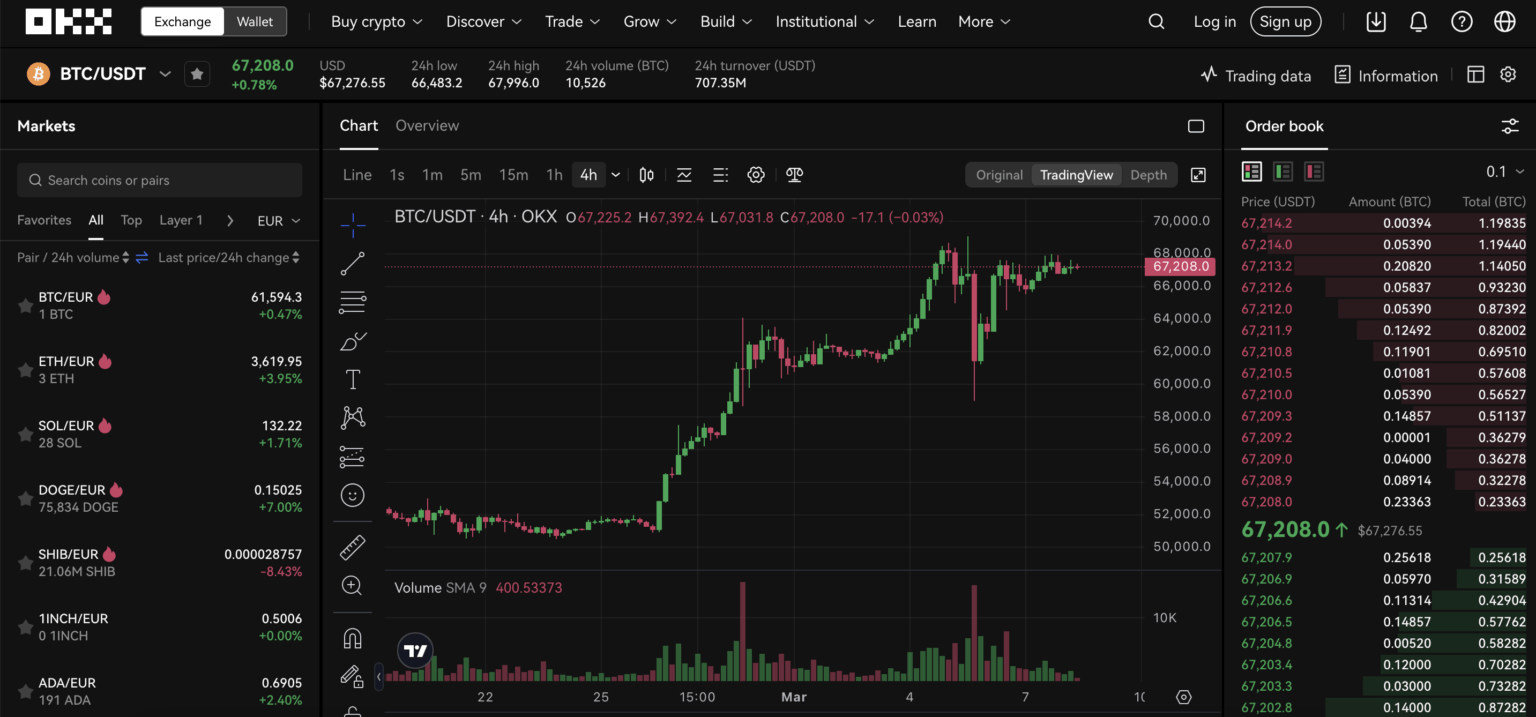
First Contact: The Login Flow
Whoa! The login screen is straightforward. Medium sentence to expand: email or phone, password, and sometimes a captcha. Longer thought: but depending on your region and account status you’ll sometimes get pushed immediately into a security gate—like re-entering 2FA, device confirmation via email, or even additional verification prompts that look like they appeared out of nowhere because you switched IPs or used a VPN.
My quick checklist when you hit that page: 1) confirm the URL is legit—bookmark it; 2) never enter credentials on a link from random DMs; 3) use a password manager. Hmm… that last one saved me when I accidentally typed my old exchange password. That bugs me—a lot.
Two-Factor Authentication: Don’t Skip It
Seriously? You might think SMS is fine. It’s not ideal. Use an authenticator app. My instinct said to enable SMS once and be done, but then I read about SIM swap attacks and—uh—changed my setup.
Walkthrough: set up Google Authenticator, Authy, or another app. Save the backup codes somewhere safe (not as a screenshot on your phone). If you lose 2FA and don’t have recovery codes, getting back into an exchange can be a multi-day headache, and sometimes support asks for repeated identity proofs.
OKX Verification: KYC Tiers and Why They Matter
Here’s what bugs me about verification flows: they mix policy with UX decisions, and you only notice the differences when you need a feature. Short: OKX’s verification tiers control fiat access, withdrawals, and product eligibility. Medium: Basic verification will let you trade spot but cap your withdrawal limits; advanced verification unlocks higher limits and more services. Longer: the documentation and prompts are usually clear, but uploading the wrong document type, poor-quality photos, or mismatched name formatting will delay approval—so prepare images and your ID before you start.
I’ll be honest: the verification review can feel slow. On average it’s quick, though outages and manual reviews happen. Something felt off the first time I uploaded a scan at night—the next morning they asked for a selfie with my ID. On one hand it’s annoying; on the other, it’s why my funds stayed untouched when a bot tried to log in.
Common Gotchas (and Simple Fixes)
Short: email confirmations land in spam. Medium: phone numbers formatted incorrectly cause verification SMS to fail. Long: using a VPN that routes you through a different country can trigger a forced re-verification, which is harmless but maddening when you just want to move funds fast.
A few practical fixes: check spam and promotions tabs; add OKX to your email contacts; reformat phone numbers in E.164 (+1 for the US); turn off the VPN while you verify; have a scanned copy of your ID and a clear selfie ready. Oh, and by the way—if you use an authenticator app, export/backup its data before switching phones. I learned that the hard way and spent a weekend proving my identity to support. Not fun.
Security Best Practices I Use (and Recommend)
Short: use strong unique passwords. Medium: use a password manager & authenticator app. Longer: keep small, regular audits of connected apps and API keys, and remove any third-party app access you no longer use—because leftover keys are an easy attack vector if something else gets compromised.
Quick pro tip: name your API keys clearly (e.g., “bot-trading-spot-2026”) and set IP restrictions where possible. If you run bots, limit permissions to read/trade only, and avoid enabling withdrawal permissions unless absolutely necessary. That saved me during a small compromise of an unrelated service.
When Things Go Wrong
Firstly: breathe. Then: document everything. Take screenshots of error messages. If your login fails and you suspect account takeover, lock down email and change passwords immediately, then contact OKX support with timestamps and proof. On one hand, exchanges are responsive; though actually, response times can vary based on volume and regional factors.
Support requests often ask for transaction IDs, device info, or photos. So keep clear records. (oh, and by the way…) if you escalate politely but persistently, it helps. I’ve found that sending a clear timeline and attaching the requested files up front drastically speeds things up.
Frequently Asked Questions
How do I find the official OKX login page?
Use a bookmark you created, or use the official link you trust. For convenience, here’s the sign-in page I use: okx sign in. Really—always double-check the URL before typing credentials.
Do I need advanced verification to trade?
Not always. Basic KYC usually lets you trade spot markets, but it limits withdrawals and some advanced features. If you plan to deposit fiat or withdraw large sums, do the advanced verification ahead of time—save yourself a headache.
What’s the best 2FA method?
Authenticator apps (Google Authenticator, Authy) are preferred. SMS is better than nothing, but it’s vulnerable to SIM swaps. And please store backup/recovery codes securely.
Okay—so where does that leave you? You’re in a better position if you: prepare your ID and photos, enable app-based 2FA, use a password manager, and verify your account before you need big withdrawals or margin. My instinct says most people only do this after a scare; do it now and thank yourself later. I’m biased, but I prefer to sleep at night knowing those steps are done.
One last thought: trading platforms evolve fast. On one hand new features add convenience; on the other, they add complexity. Initially I thought convenience always wins—though actually, security and predictable verification matter more when money’s on the line. So take 20 minutes now. Set up the protections. And when you head back to log in, it should feel like a quick check-in instead of a small adventure.