Field Practical Training · BSc Forestry

2 April 2026 · Babati · 2 min read
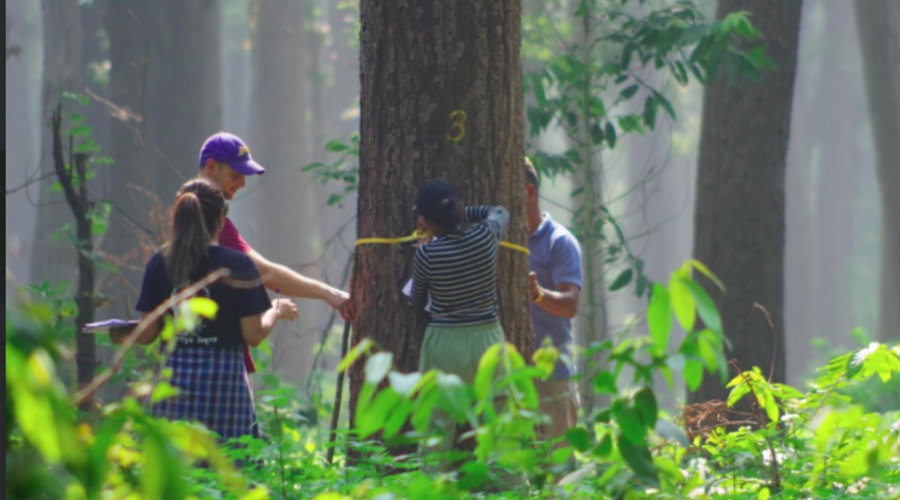
Our second-year BSc Forestry field practical training offered an immersive journey into the living landscapes that shape rural livelihoods and ecological resilience.
Trees in farming landscapes
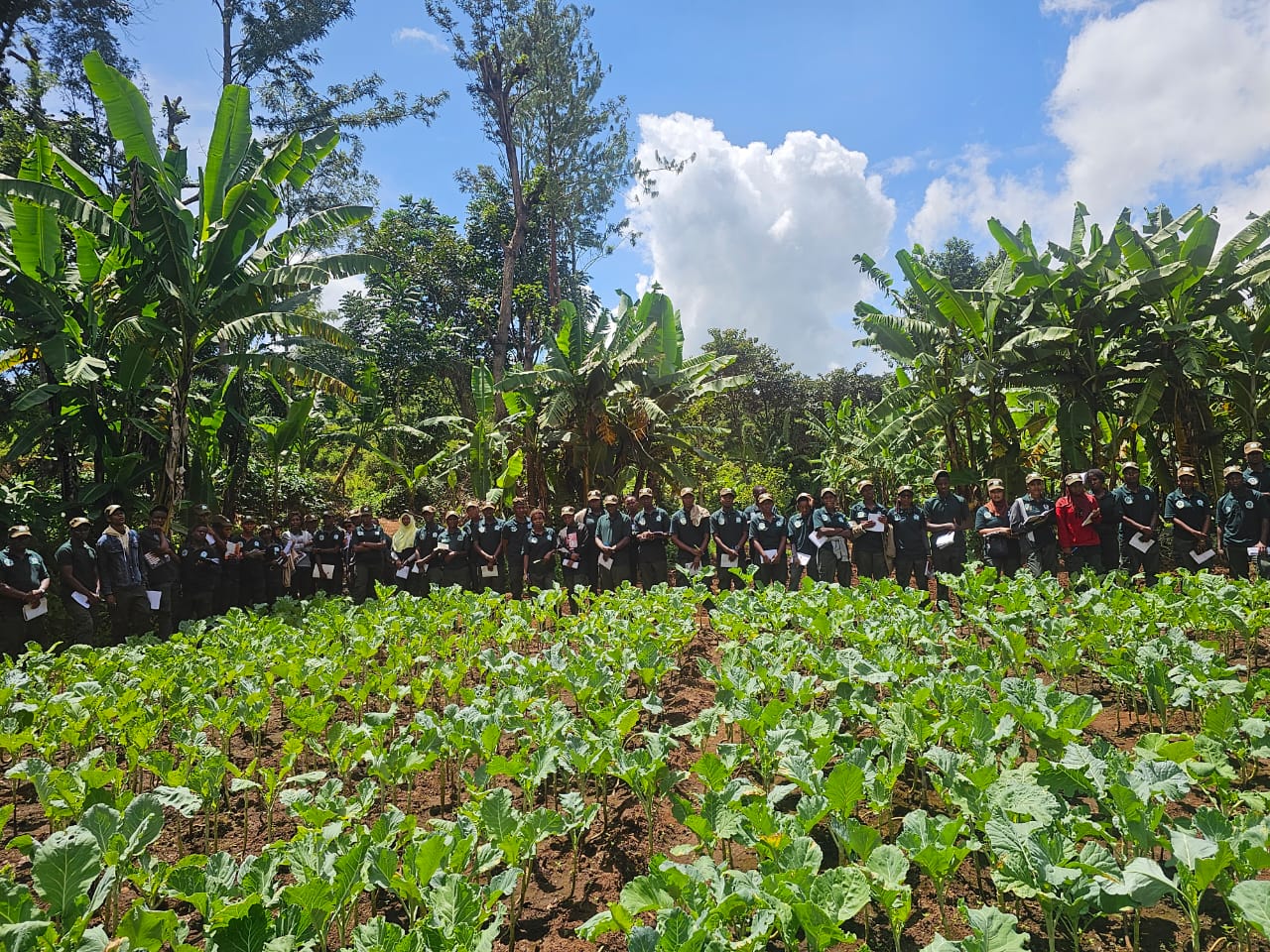
Moving through villages and woodland mosaics, students explored a diversity of agroforestry systems: home gardens rich in fruit trees and medicinal plants, live fences that combine protection with productivity, and alley-cropping fields where crops and nitrogen-fixing trees thrive side by side.

Each site showed how farmers skilfully integrate trees into their farming systems, creating multifunctional landscapes that support both household needs and environmental stability. The experience deepened students’ understanding of how traditional knowledge and ecological principles meet on the ground.
Miombo woodlands and volcanic soils
Venturing into the miombo woodlands, students studied their unique structure, dominant species and ecological rhythms, gaining first-hand appreciation of this iconic ecosystem. In Babati, the volcanic Andosols provided a striking contrast: deep, fertile soils shaped by ancient geological processes and central to the area’s agricultural potential.

Participatory Forest Management in action
Equally enriching was the engagement with Participatory Forest Management (PFM), in which communities and local institutions collaborate to protect and sustainably use forest resources. Seeing PFM in action highlighted the power of collective stewardship and reinforced the vital role of community-driven conservation in Tanzania’s forestry sector.
Key learning outcomes
- Agroforestry systems: home gardens, live fences and alley cropping
- How farmers integrate trees into multifunctional landscapes
- The structure, species and ecology of miombo woodlands
- The volcanic Andosols of Babati and their agricultural importance
- Participatory Forest Management and community-driven conservation
Follow us on Instagram
Stay connected with our departments