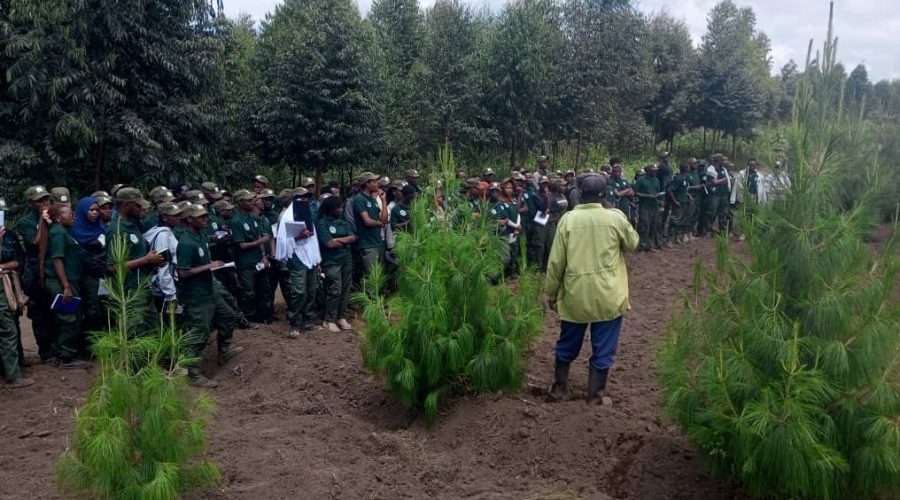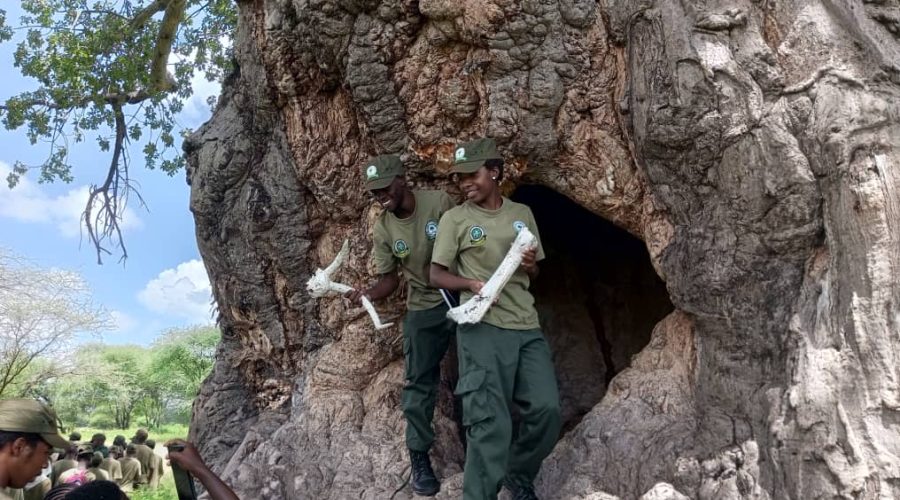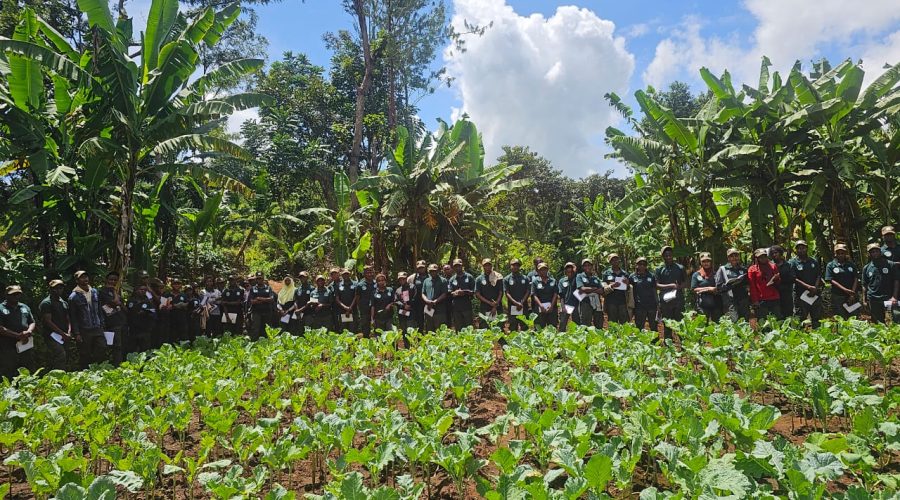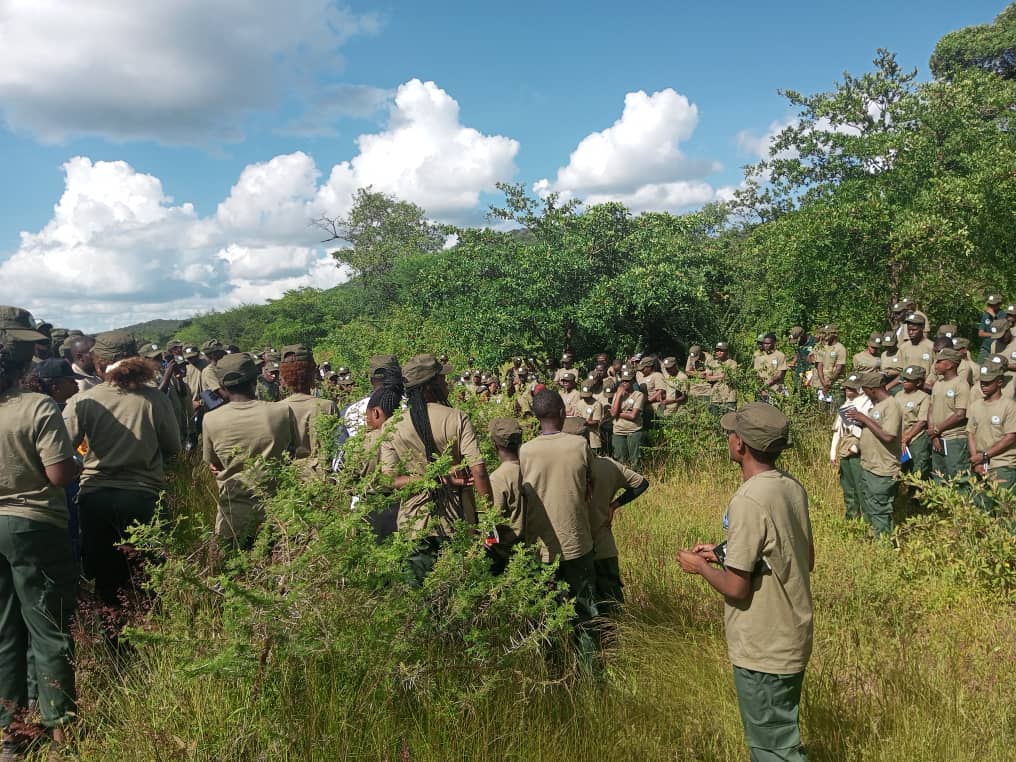
Second‑year BSc. Forestry students recently completed an intensive field practical training designed to strengthen their technical skills and deepen their understanding of Tanzania’s diverse forest landscapes. The training exposed students to real‑world ecological conditions and equipped them with practical competencies essential for sustainable forest management.
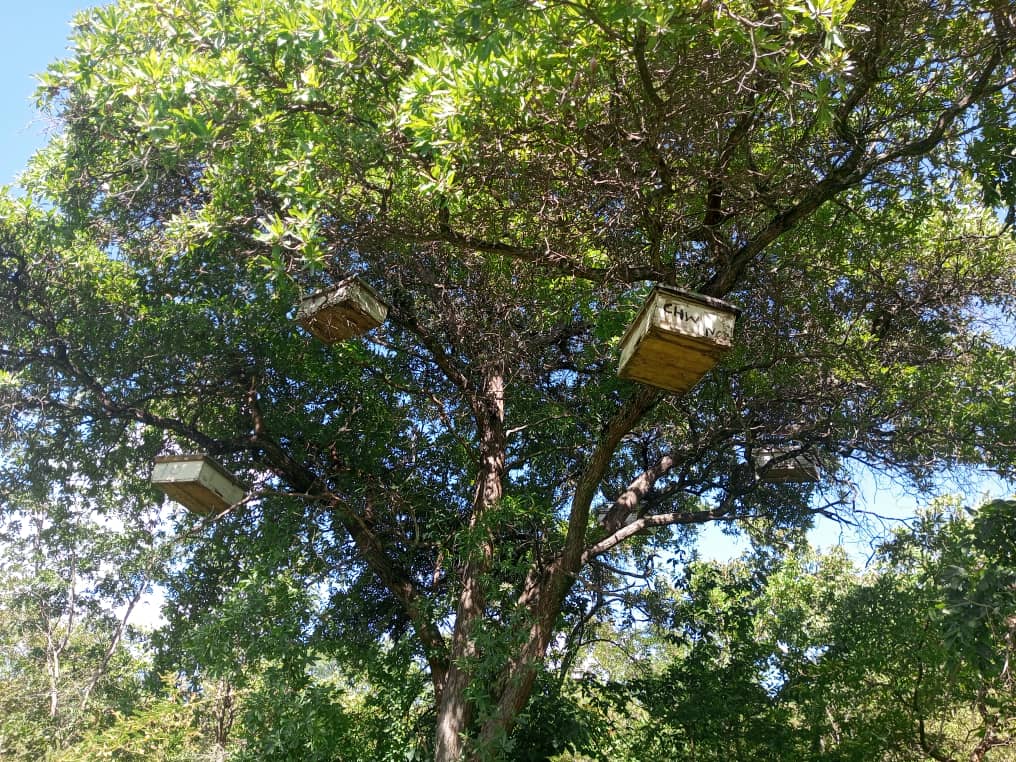
Establishing and Managing a Bee Apiary
Students learned how to set up and manage a functional bee apiary, a skill that supports both forest conservation and community livelihoods. Beekeeping is a low‑impact activity that encourages forest protection while providing income through honey and wax production. This knowledge prepares students to promote nature‑based enterprises in rural communities.
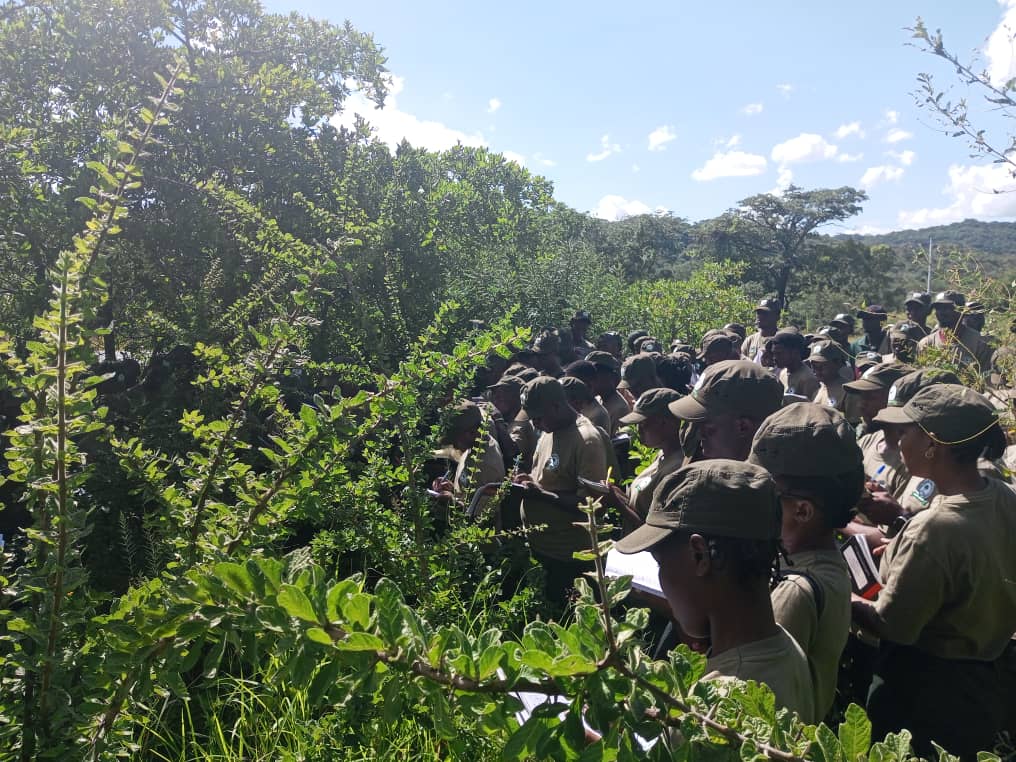
 Identifying Vegetation Types
The training included hands‑on identification of key vegetation types such as scrubland, thickets, dry and wet miombo woodlands. Understanding these ecosystems is crucial for planning forest restoration, biodiversity conservation, and sustainable harvesting practices.
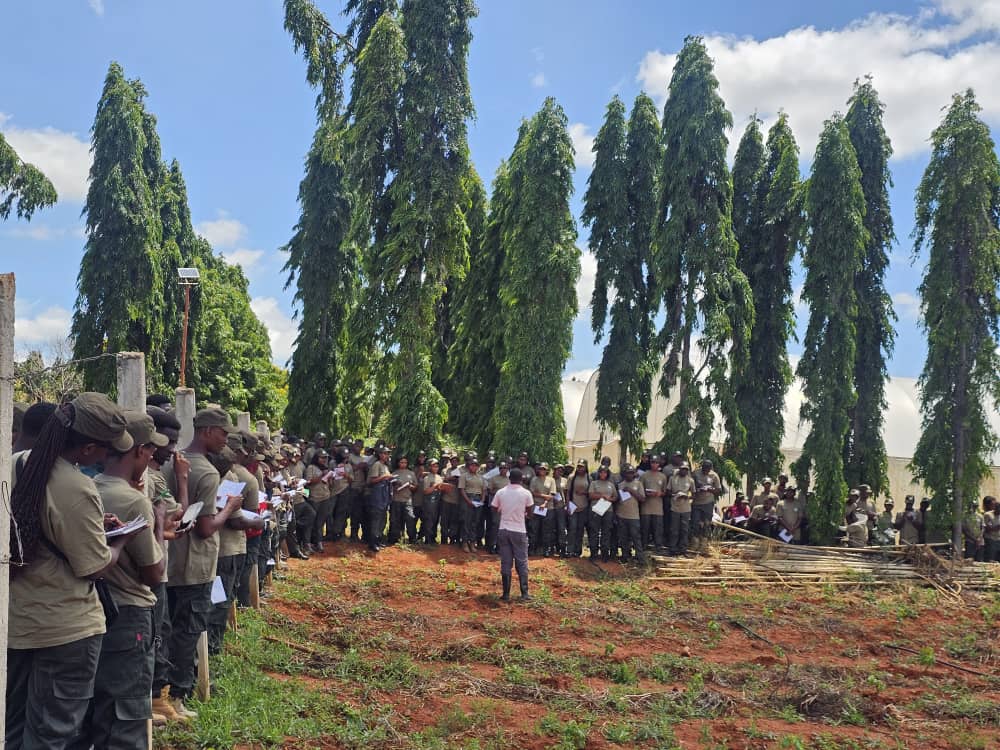
 Understanding Soil Types and Their Ecological Roles
Students identified major soil groups including Vertisols (black soils), Cambisols (grey/sandy soils), and Ferralsols/Ultisols (red soils). They also explored how soil characteristics influence vegetation distribution and forest productivity. This knowledge is vital for making informed decisions on tree planting, land suitability, and ecosystem management.
Why These Skills Matter
The competencies gained during this field training are essential for:
- Sustainable forest management — enabling future foresters to assess land capability, manage forest resources, and support conservation initiatives.
- Improving community livelihoods — through skills like beekeeping and land‑use planning that create income opportunities while protecting natural resources.
- Climate resilience and restoration — by understanding vegetation–soil relationships that guide effective reforestation and landscape restoration efforts.
 written by Clever Gwakabale
Contact us