Blog

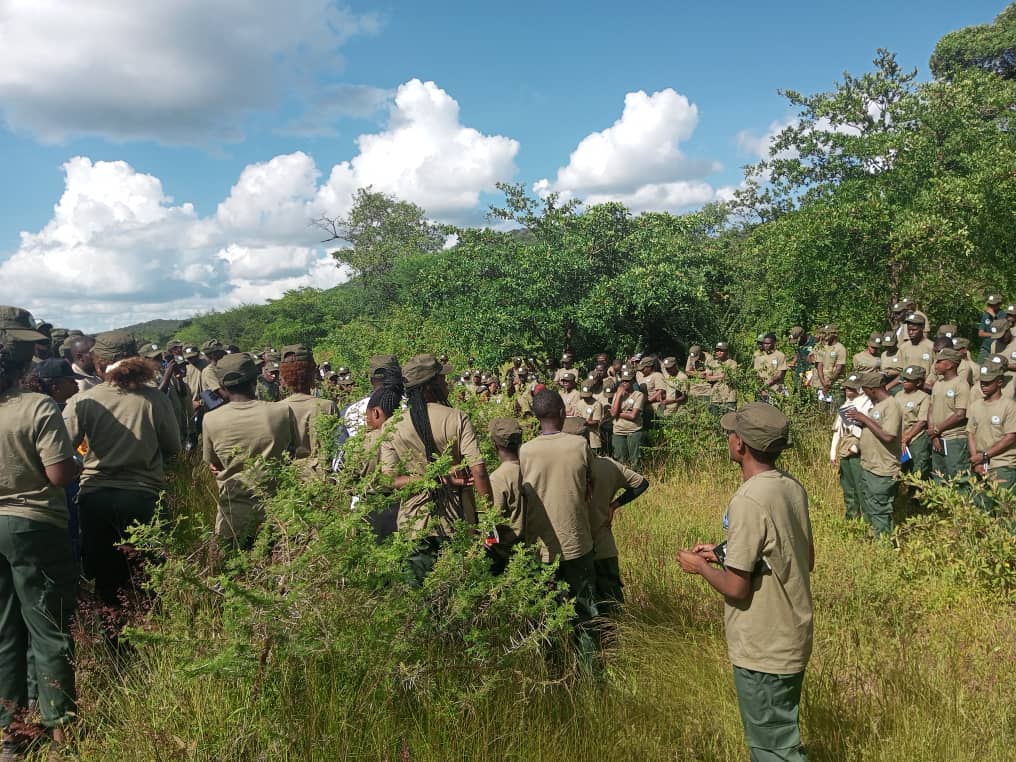
BSc Forestry (Year 2) Field Practical Training at Tarangire National Park

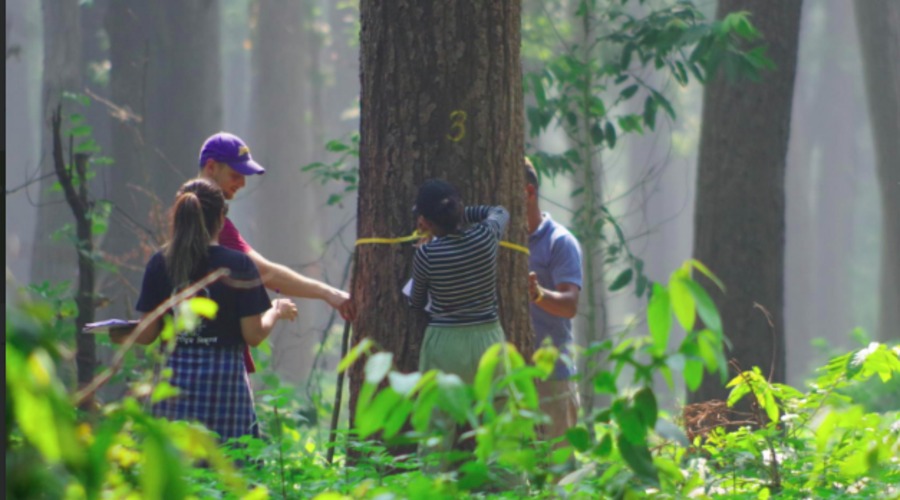
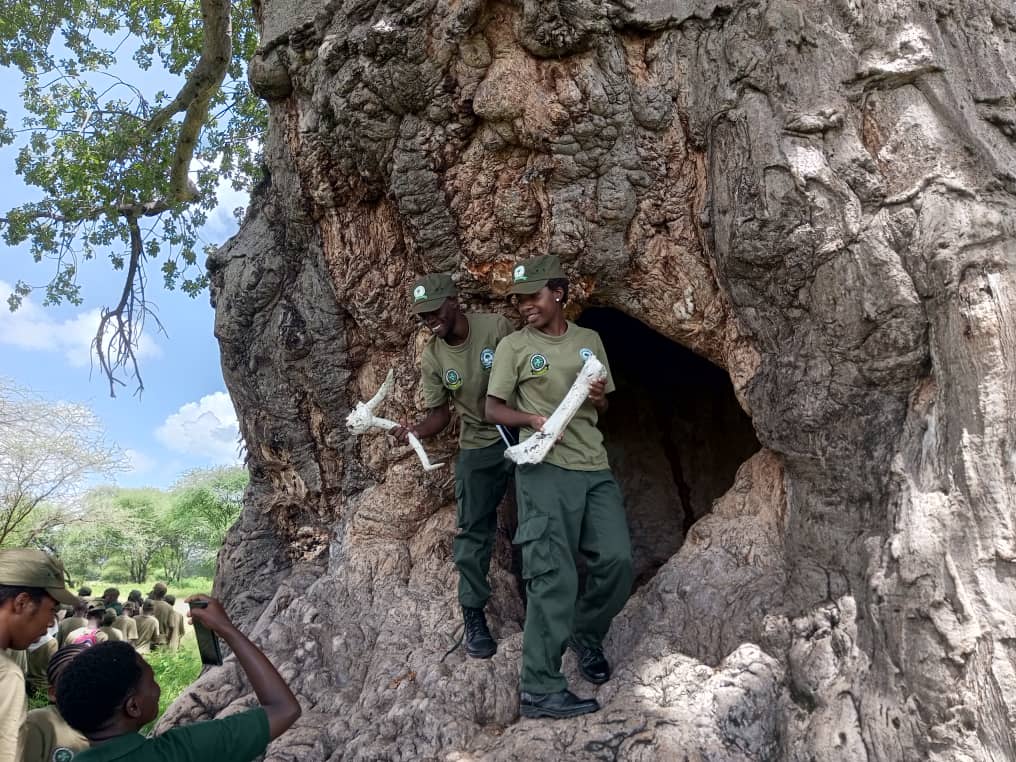
The field practical training provided students with hands‑on experience in wildlife assessment and vegetation analysis within Vachellia commiphora woodlands. Participants applied standard ecological survey techniques and reported several important observations relevant to wildlife management and habitat conservation. Students successfully conducted wildlife population density estimation using both walking‑line transects and vehicle‑based road transects. These methods enabled […]

Forestry Field Practical Training at Babati, Duru-Hitemba Village Forest Reserve, Bereko Forest Reserve, Galapo

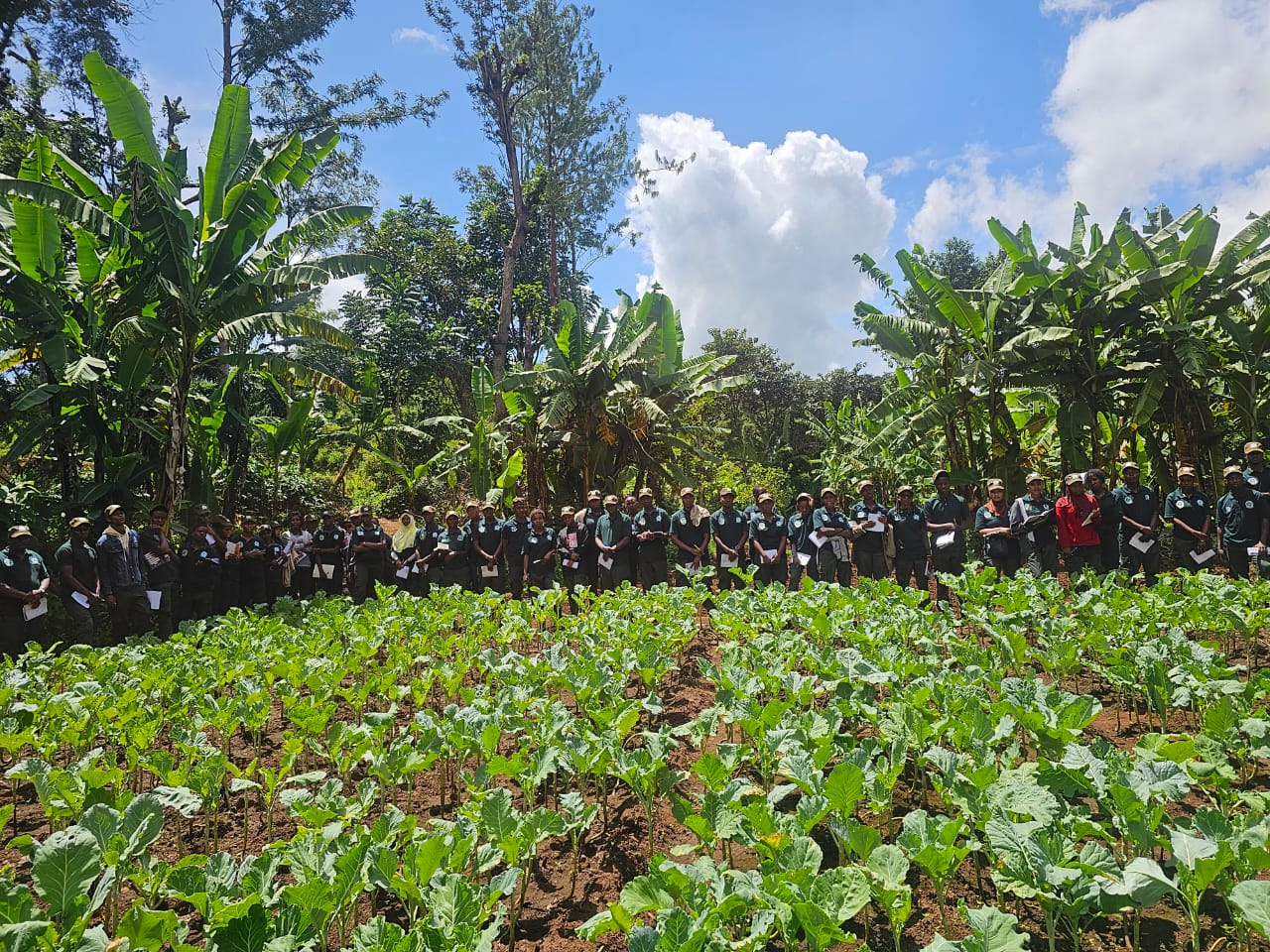
Our second year BSc. Forestry field practical training offered an immersive journey into the living landscapes that shape rural livelihoods and ecological resilience. Moving through villages and woodland mosaics, students explored the diversity of agroforestry systems, home gardens rich with fruit trees and medicinal plants, live fences that blend protection with productivity, and alley‑cropping fields […]

Forestry Field Practical Training at Mizengo Pinda Farm, Chenene (E&W) Forest Reserve, and Kondoa Escarpment.

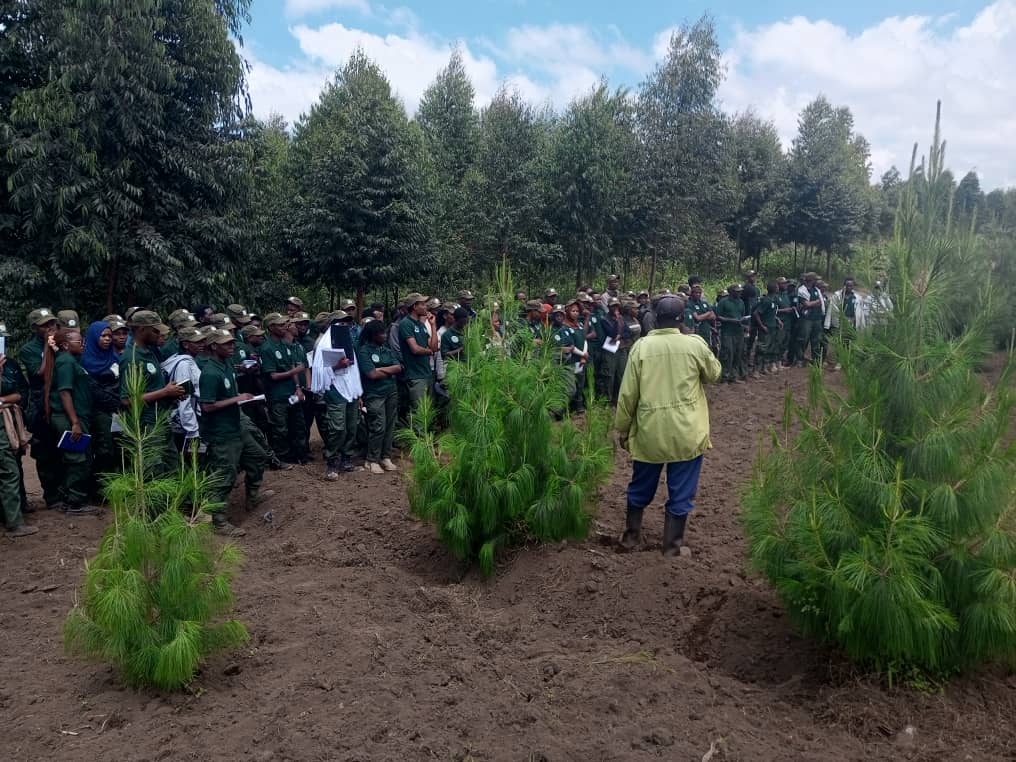
Second‑year BSc. Forestry students recently completed an intensive field practical training designed to strengthen their technical skills and deepen their understanding of Tanzania’s diverse forest landscapes. The training exposed students to real‑world ecological conditions and equipped them with practical competencies essential for sustainable forest management. Establishing and Managing a Bee Apiary Students learned how to […]

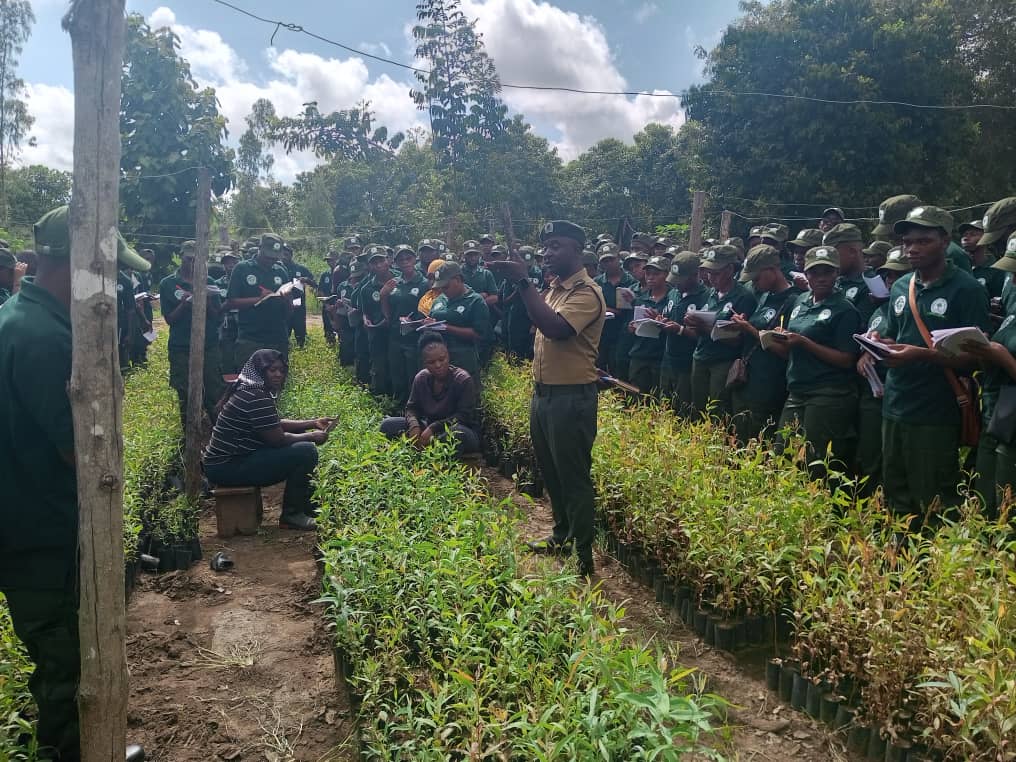
Forestry Field Practical Training (FPT) – Year 2 conducted in Morogoro and Dodoma

During this training, BSc. Forestry students gained practical knowledge and skills in the management of forest plantations and woodlots Dryland agroforestry systems and their associated practices. Skills gained by students are not just technical, they are directly connected to some of the biggest global challenges of our time; 1. Strengthening Climate Change Mitigation Forests and agroforestry […]

Online Seminar : Political Ecologies of Carbon Markets

The College of Forestry, Wildlife and Tourism at Sokoine University of Agriculture warmly invites all people to attend an online Seminar by Prof. Jens Friis Lund, Professor of Political Ecology from the Department of Food and Resource Economics (IFRO) at the University of Copenhagen. Title of the Seminar: Political Ecologies of Carbon Markets About the […]

Nature Tanzania and SUA Strengthen Partnership for Mazumbai Forest Conservation

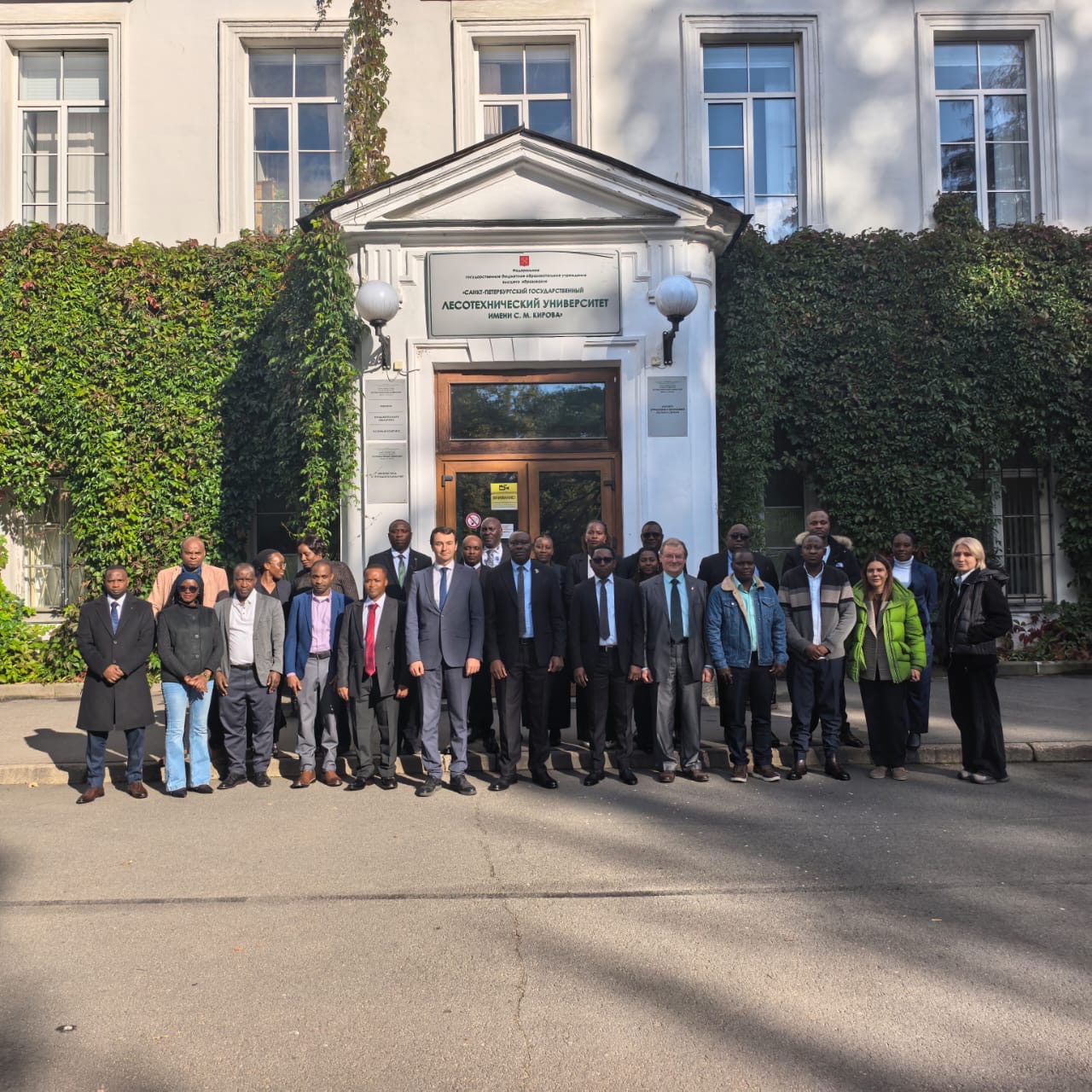
On 17 February 2026, the Nature Tanzania team held a high-level meeting with the Office of the Principal at the College of Forestry, Wildlife and Tourism, Sokoine University of Agriculture (SUA). The primary objective of this visit was to introduce the “People Partner with Nature – from Local to Global Action (Phase IV) Program (PPN […]

New Year Get‑Together Celebration

A vibrant gathering brought the College of Forestry, Wildlife and Tourism community together on 27 January for a joyful and memorable get‑together party. The event drew participants from across the college and beyond, creating a lively atmosphere filled with music, dance, delicious food, and a wide variety of drinks. The celebration was graced by the […]

Call for Applications – 3 PhD Scholarships: Climate change, rural livelihoods, and nature protection in the Rufiji Delta (∆Rufiji)

The DANIDA-funded ∆Rufiji project is announcing two PhD positions at the College of Forestry, Wildlife and Tourism, Sokoine University of Agriculture (SUA), Tanzania, and one PhD position at the Institute of Resource Assessment, University of Dar es Salaam (UDSM), Tanzania. The College of Forestry, Wildlife and Tourism at SUA, the Institute of Resource Assessment at […]

PhD FOREST SCIENCES SCHOLARSHIPS: CALL FOR APPLICATIONS

The College of Forestry, Wildlife and Tourism of Sokoine University of Agriculture, (Tanzania) is coordinating a Regional Research School in Forest Sciences Programme (REFOREST Africa PhD Programme), financed by the Swedish International Development Cooperation Agency (Sida). Click here for more information