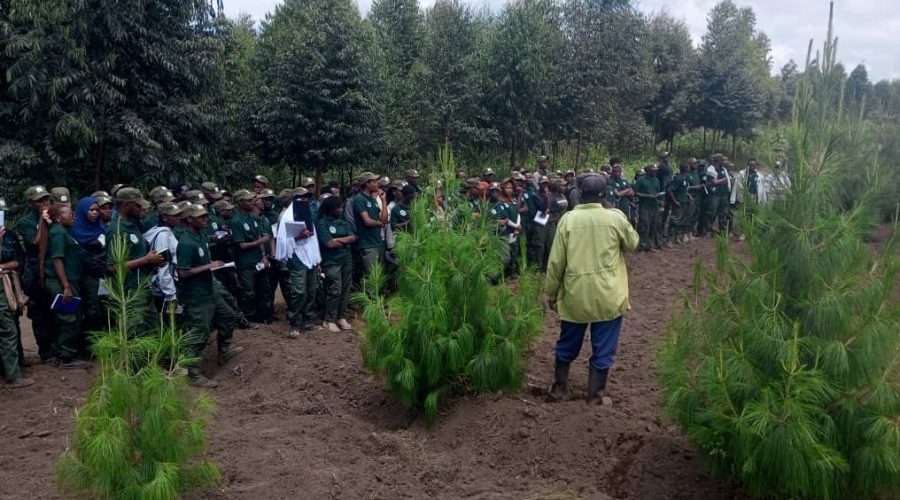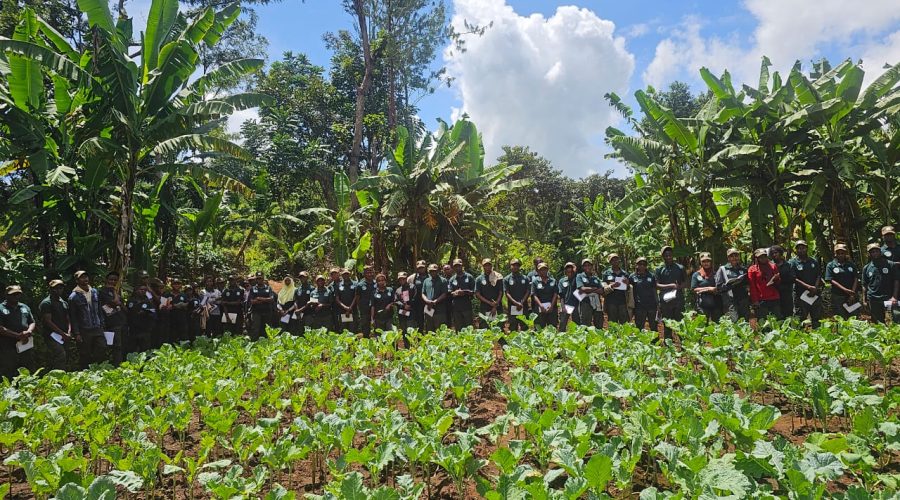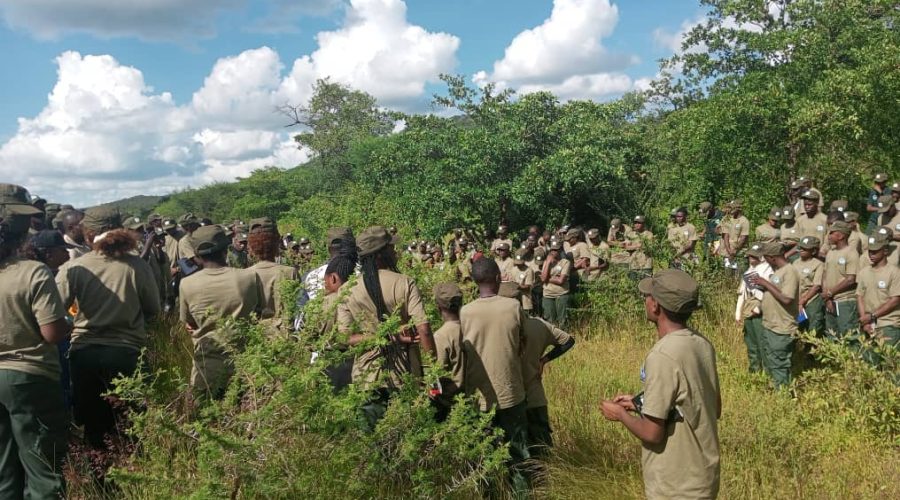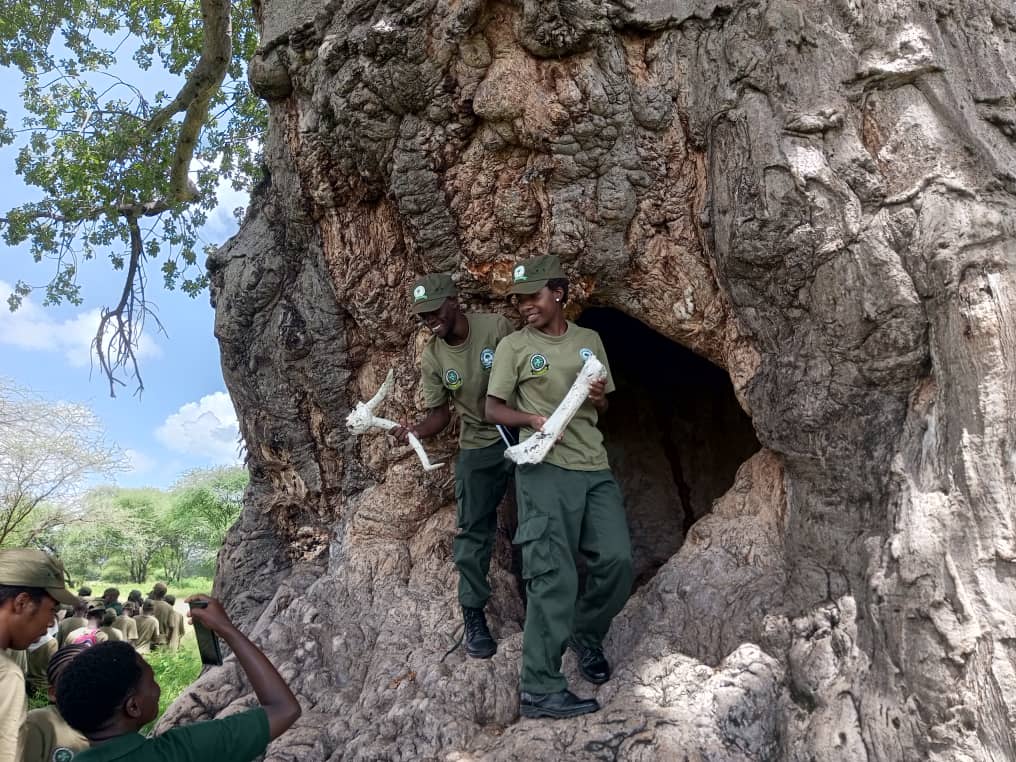
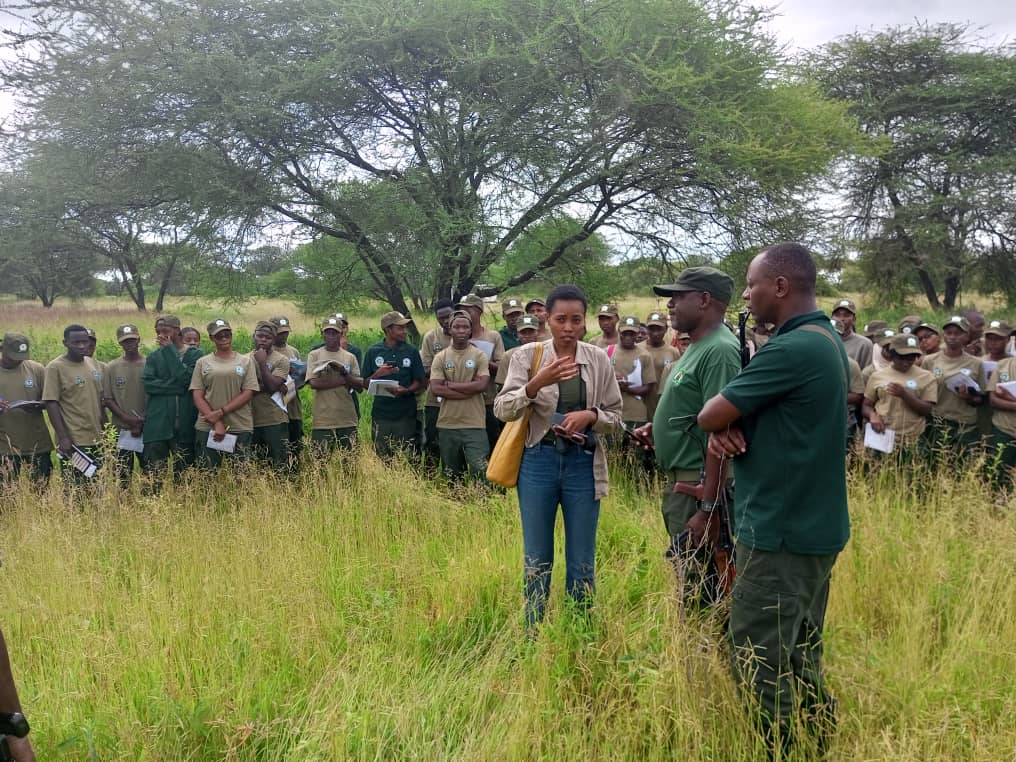
The field practical training provided students with hands‑on experience in wildlife assessment and vegetation analysis within Vachellia commiphora woodlands. Participants applied standard ecological survey techniques and reported several important observations relevant to wildlife management and habitat conservation.
Students successfully conducted wildlife population density estimation using both walking‑line transects and vehicle‑based road transects. These methods enabled systematic recording of species presence, abundance, and spatial distribution. Additional skills gained included animal identification through spoor and footprints, which improved accuracy in detecting cryptic or nocturnal species.
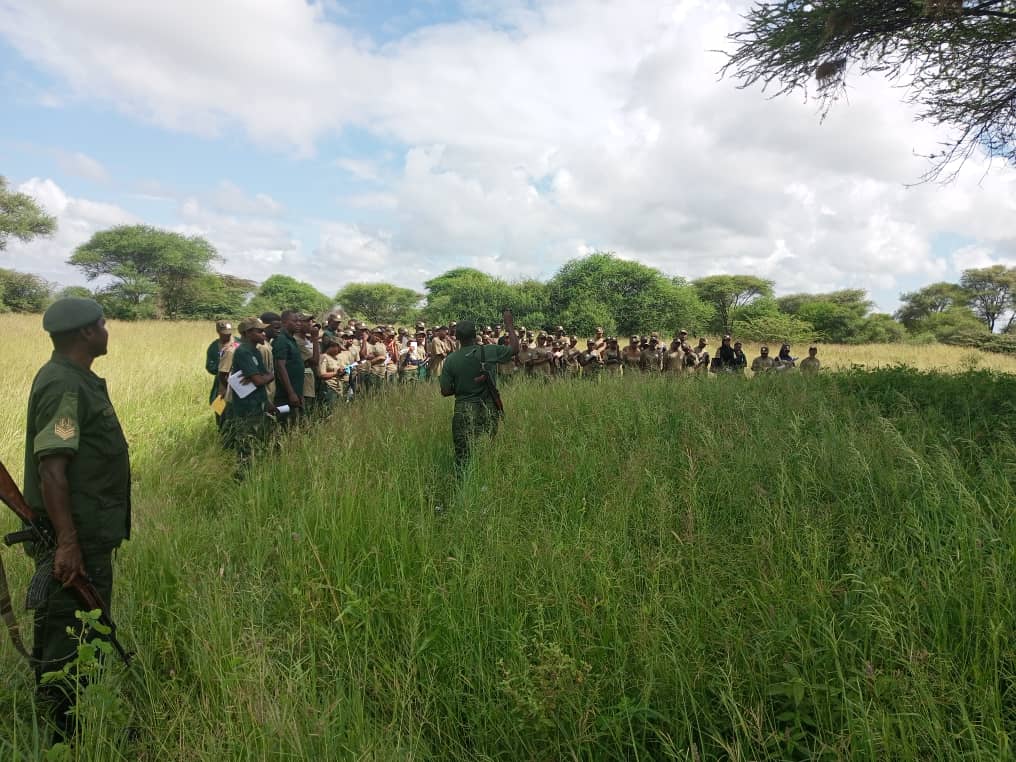 Analysis of wildlife distribution across vegetation types indicated clear patterns of habitat use, reflecting differences in forage availability and structural cover. Training sessions also emphasized the ecological characteristics of Vachellia commiphora woodlands, including their species composition, structural heterogeneity, and role as key habitats for large mammals.
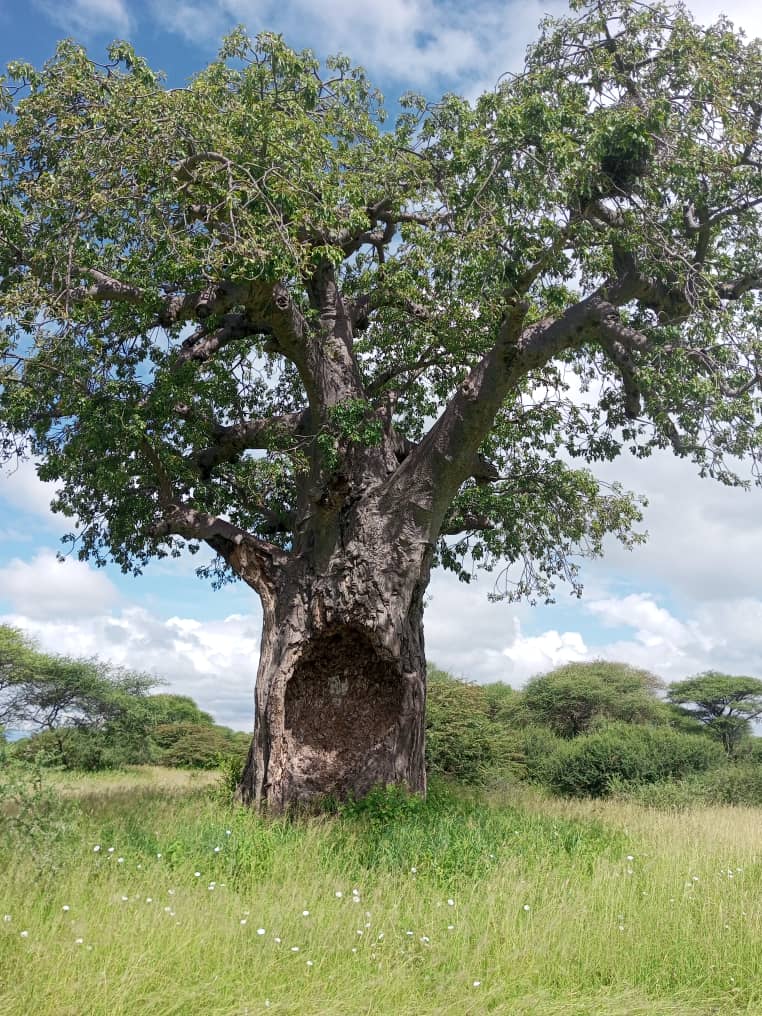
 A notable ecological concern recorded during the exercise was the high incidence of damaged old Baobab trees. Many individuals exhibited severe structural deterioration, and no regenerating seedlings or saplings were observed. Based on current conditions, several trees are likely to die within the next decade, indicating a significant risk of local Baobab extinction if regeneration failure persists.
Acknowledgement:
The training was conducted under the guidance of academic staff from the Department of Ecosystems and Conservation and the Department of Wildlife Management at the College of Forestry, Wildlife and Tourism. The supervisory team, Prof. Charles Kilawe, Dr. Jackline Kajembe, Mr. Thadei Rugambwa, and Ms. Maureen Daffa provided continuous technical support and field mentorship. The team also acknowledges the Tarangire National Park Management for their logistical support, field access, and collaboration throughout the practical training.
 written by Clever Gwakabale
Contact us