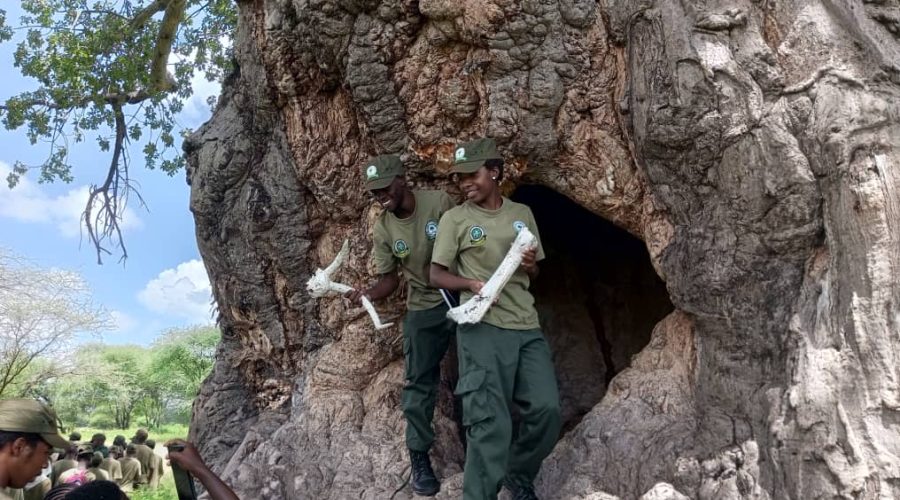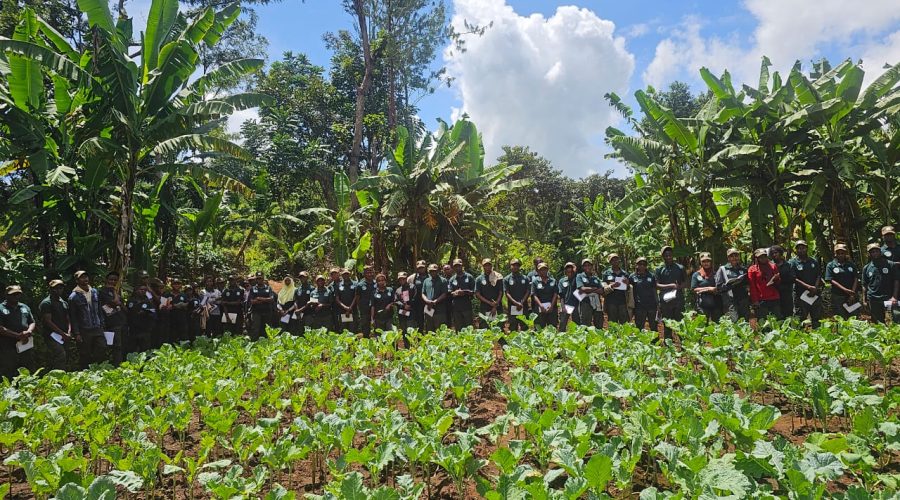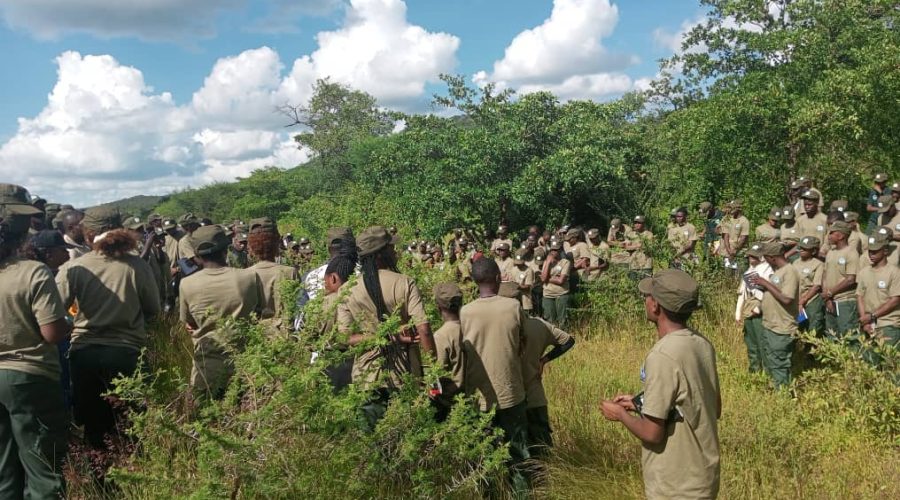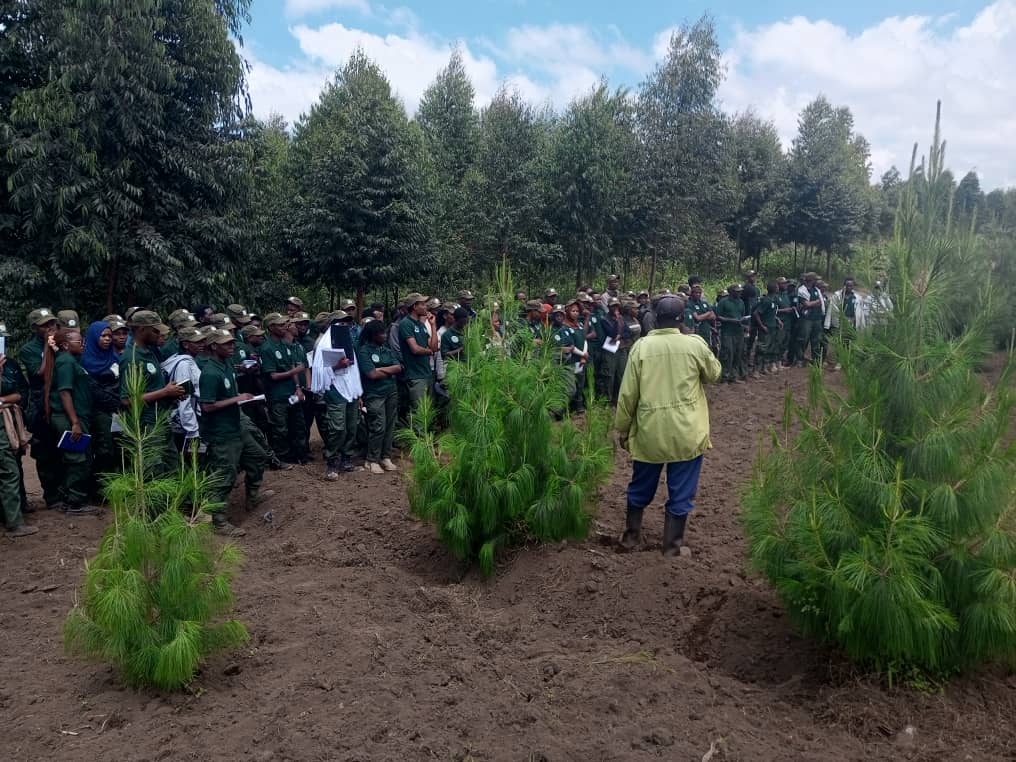
BSc. Forestry second‑year students from the Department of Ecosystems and Conservation continued their Field Practical Training at SUATIF–Olmotony, gaining hands‑on experience in forest management systems that shape both local livelihoods and national sustainability goals. The session focused on understanding the implications of Taungya agroforestry practices, where crops are interplanted with young forest stands. Students examined how this system supports early plantation establishment, reduces weeding costs, and enhances food security, while also learning about its challenges, such as potential competition between crops and trees. They further explored the characteristics of woodlots, assessing their size, tenure arrangements, and diverse uses in rural economies, including fuelwood, poles, and small‑scale timber production. Through guided observation, students distinguished the ecological and management differences between woodlots, forest plantations, and broader agroforestry practices, strengthening their ability to evaluate land‑use options in real‑world settings.
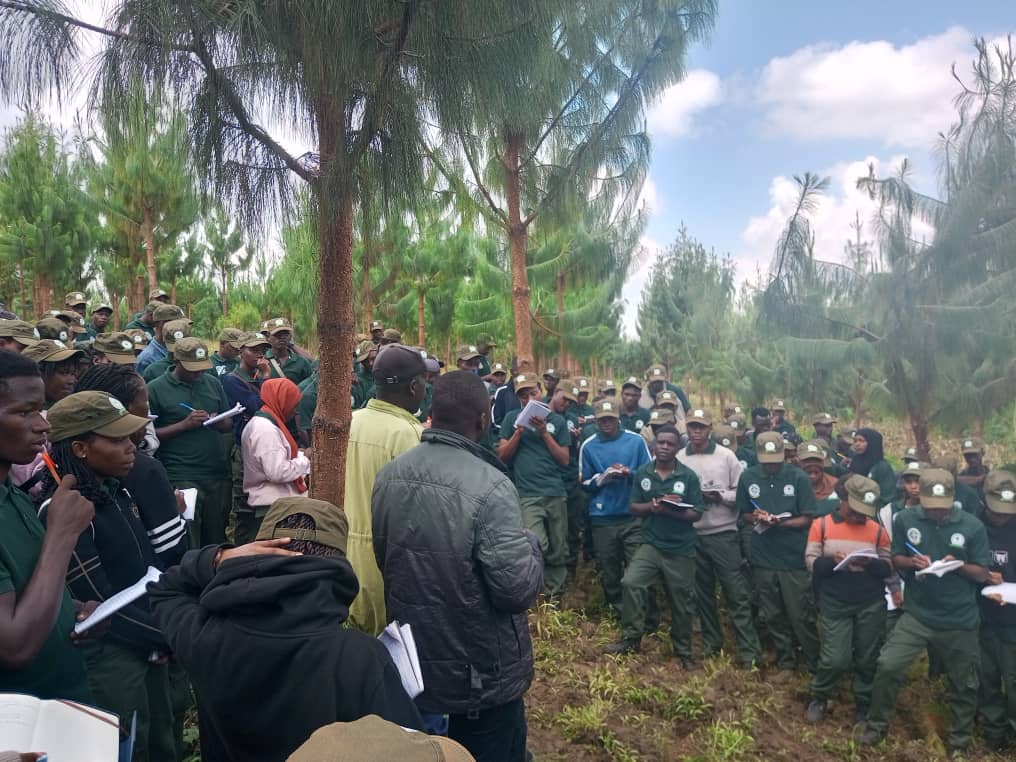
These practical activities are vital not only for building technical competence but also for aligning forestry training with national and global priorities. In Tanzania, sustainable wood production and agroforestry systems are central to reducing pressure on natural forests, supporting climate‑resilient livelihoods, and meeting the growing demand for forest products. Globally, practices such as Taungya and community‑managed woodlots contribute to climate change mitigation, restoration of degraded landscapes, and achievement of the UN Sustainable Development Goals, particularly SDG 13 (Climate Action) and SDG 15 (Life on Land). By engaging directly with these systems, students gain the knowledge and confidence needed to contribute to sustainable forest management, carbon‑smart land‑use planning, and the broader transition toward resilient and productive landscapes.
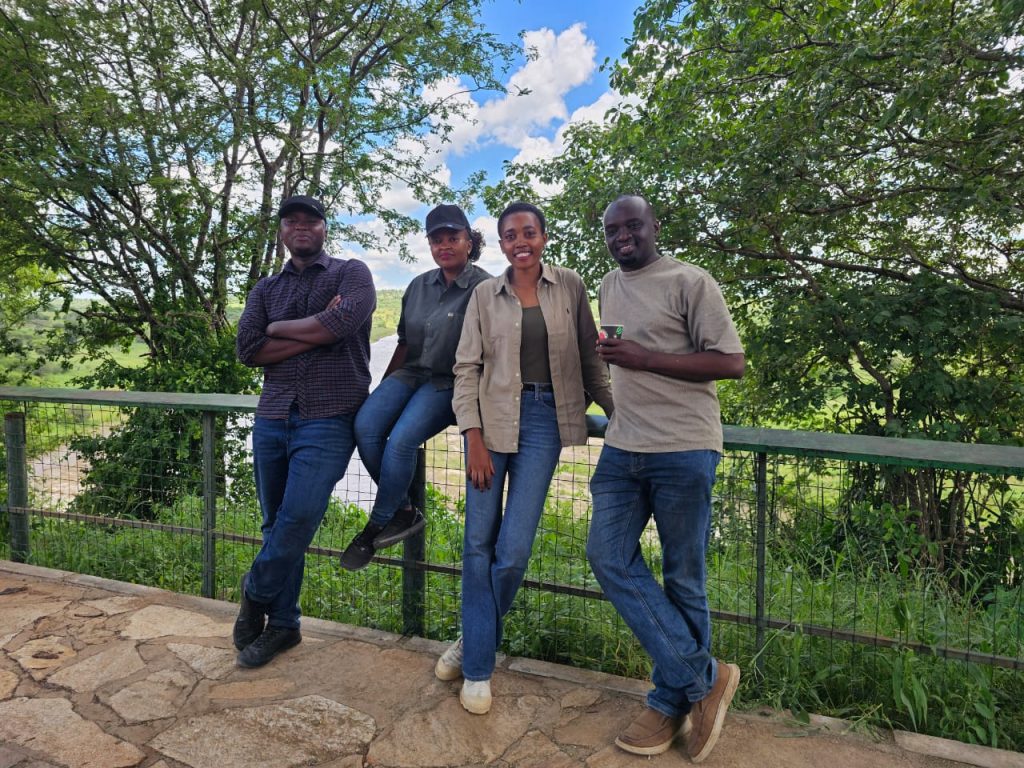
Supervision team (From left is Mr. Thadei Rugambwa, Dr. Jackline Kajembe, Mis. Maureen Daffa, and Prof. Charles Kilawe)
We extend our sincere appreciation to the dedicated team of supervisors whose commitment, guidance, and professionalism ensured that students received high‑quality practical training, an essential foundation for their future roles as managers and stewards of natural resources in Tanzania and across the globe. The Department also conveys heartfelt thanks to the Sokoine University of Agriculture (SUA) administration for the continued technical and financial support that made this year’s Field Practical Training a success. Their investment in experiential learning strengthens the capacity of emerging forestry professionals and reinforces the University’s mission to advance sustainable natural resource management at national and international levels.
 written by Clever Gwakabale
Contact us