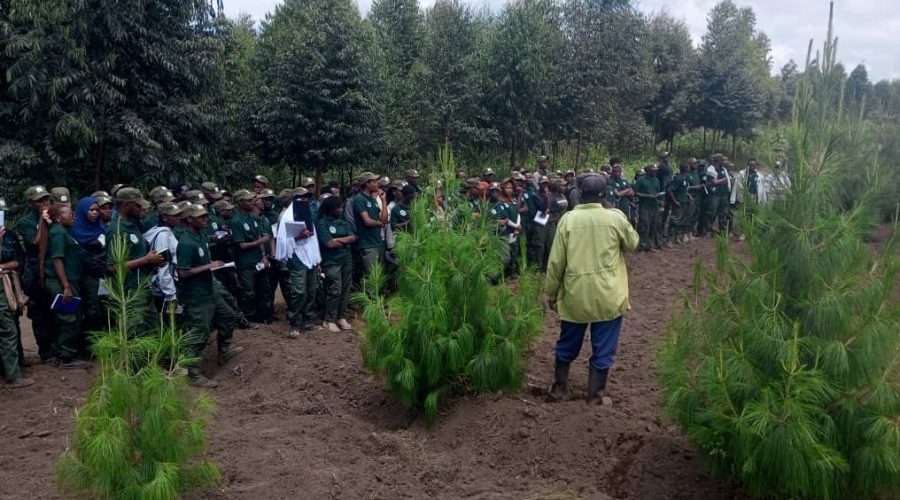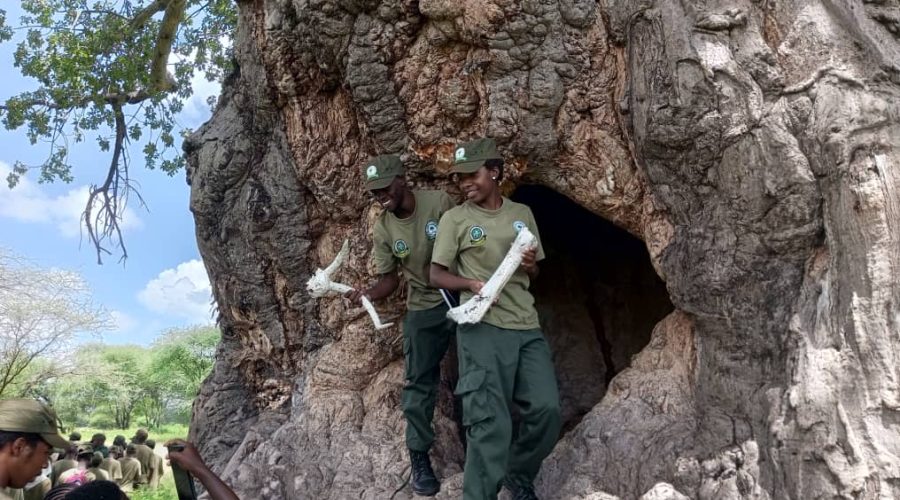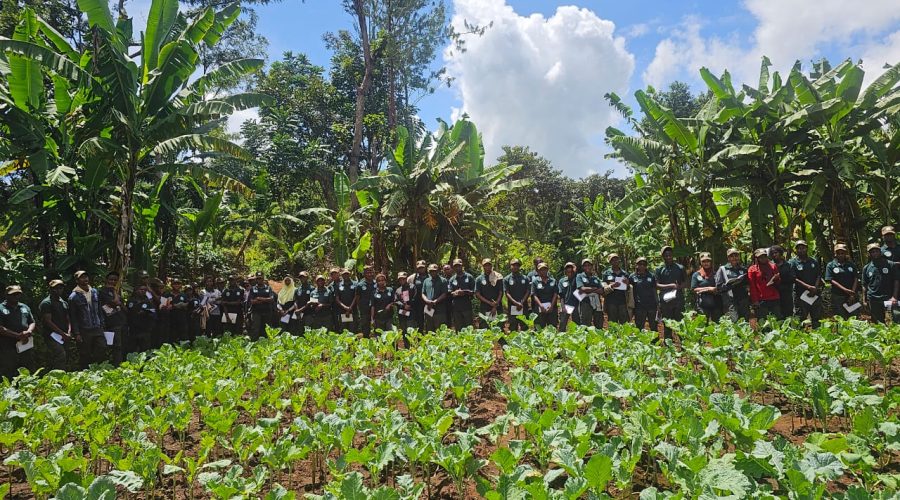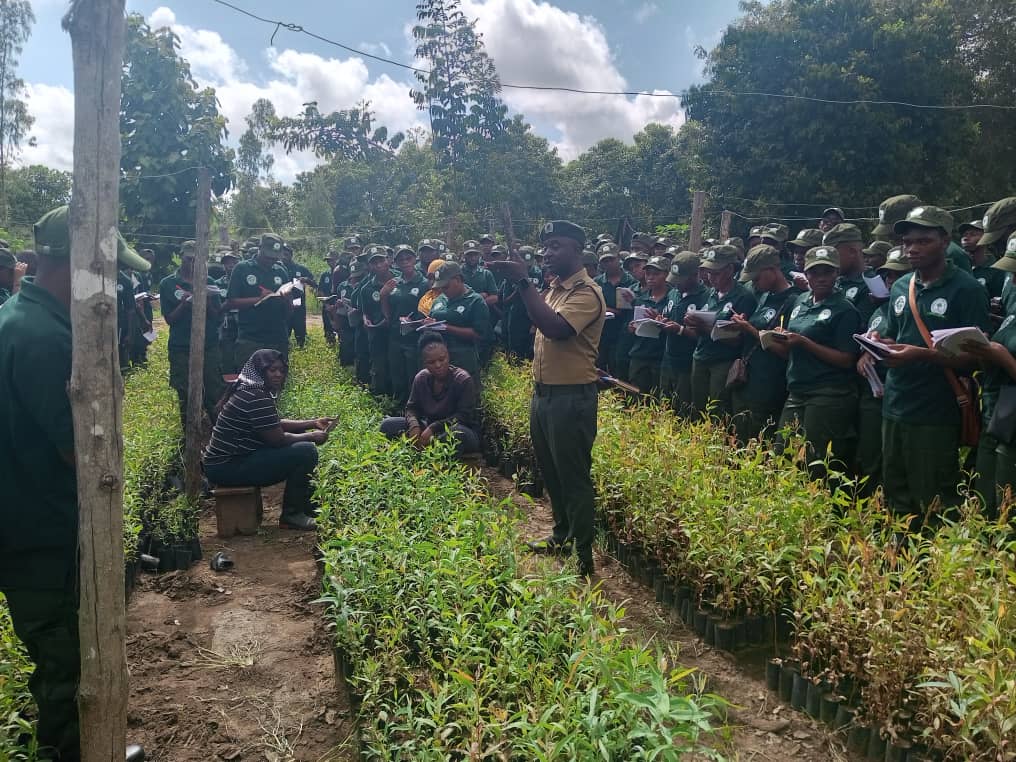
During this training, BSc. Forestry students gained practical knowledge and skills in the management of forest plantations and woodlots Dryland agroforestry systems and their associated practices. Skills gained by students are not just technical, they are directly connected to some of the biggest global challenges of our time;
1. Strengthening Climate Change Mitigation
Forests and agroforestry systems are among the most powerful natural tools for absorbing carbon dioxide. These practical training helps students understand:
- how to establish and manage forests that store more carbon,
- how to reduce land degradation and desertification,
- how to design dryland agroforestry systems that remain productive under climate stress,
- how forest plantations and woodlots can supply sustainable wood and reduce pressure on natural forests.
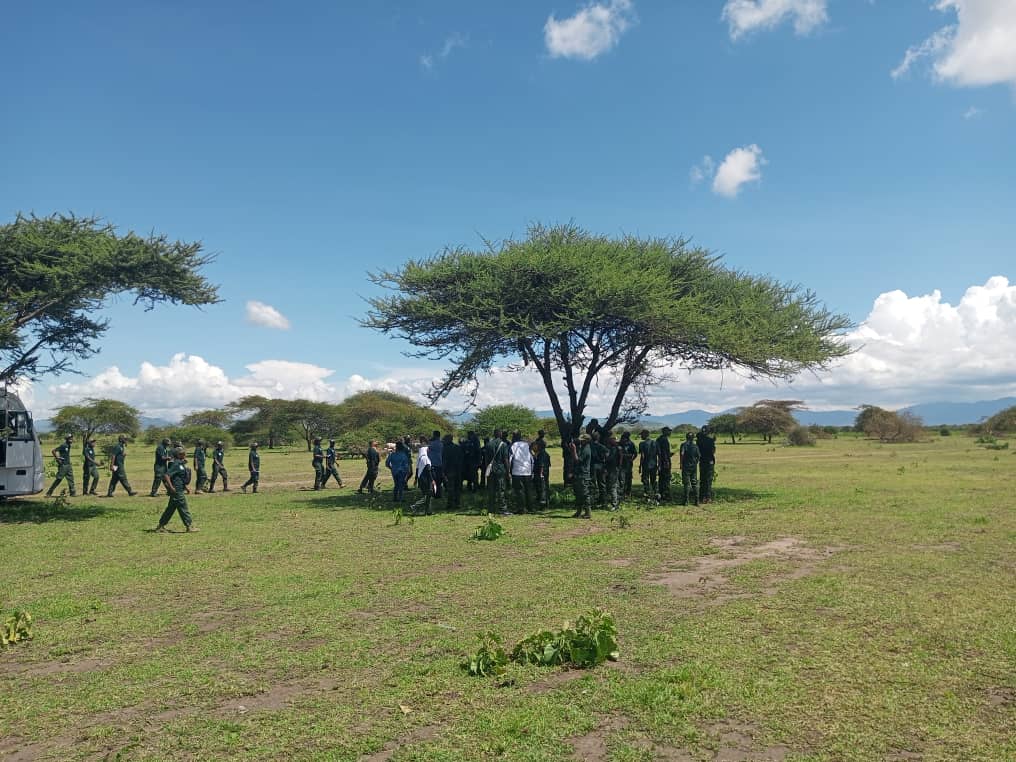
2. Enhancing Food Security Through Agroforestry
Dryland agroforestry systems combine trees with crops and livestock. This training helps students learn how to:
- improve soil fertility through nitrogen‑fixing trees,
- increase crop yields in dry areas,
- provide shade and microclimate benefits,
- diversify household income through fruits, fodder, fuelwood, and timber,
- reduce vulnerability to droughts and crop failure.
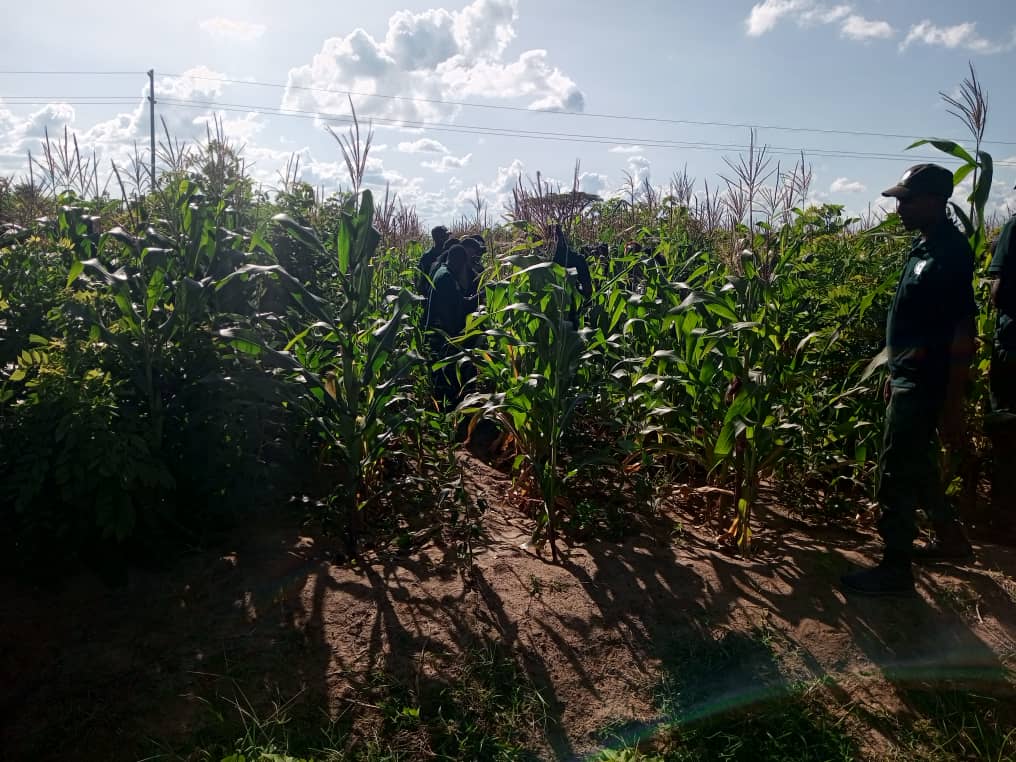
3. Building Practical Skills for Sustainable Land Management
Students gain real-world experience in:
- nursery establishment and seedling management,
- tree species selection for different ecological zones,
- soil and water conservation techniques,
- restoration of degraded landscapes,
- community‑based forest management practices.
These are essential competencies for future foresters, extension officers, carbon project developers, and conservationists.
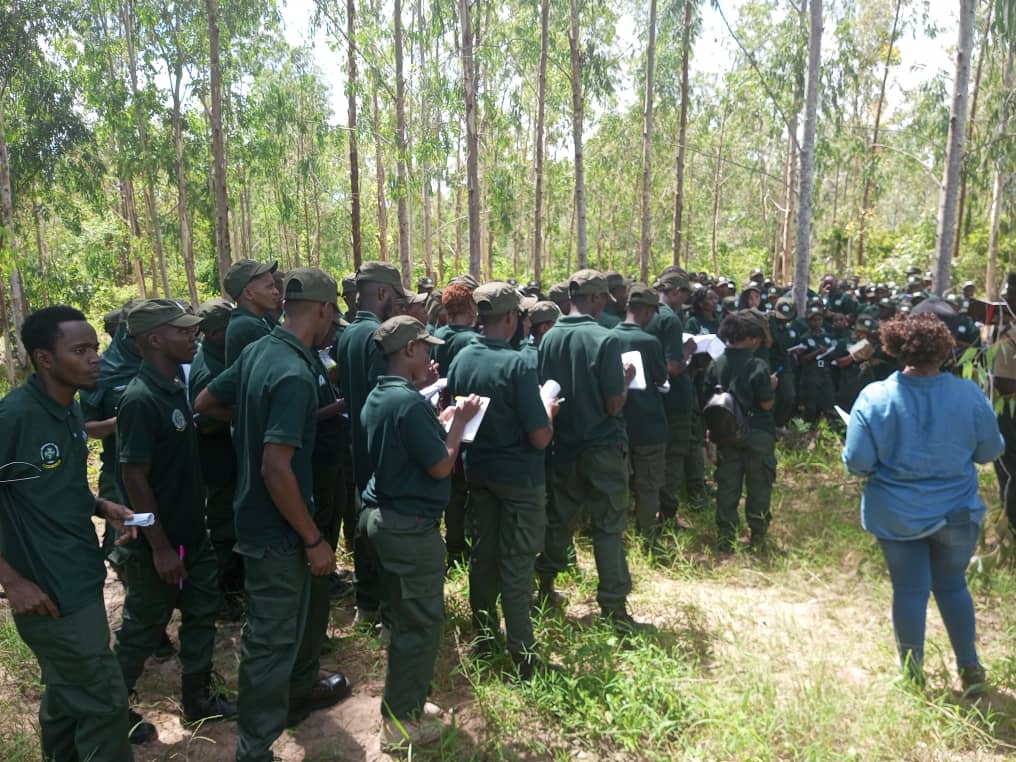
4. Preparing Students for Emerging Green‑Economy Opportunities
Globally, forestry graduates with practical skills are increasingly needed in:
- carbon markets and MRV (Monitoring, Reporting, Verification),
- climate‑smart agriculture programs,
- REDD+ and landscape restoration projects,
- sustainable timber value chains,
- biodiversity conservation and ecosystem‑based adaptation.
Tanzania is expanding its participation in carbon trading, forest restoration, and agroforestry programs, so these skills directly align with national development priorities.
5. Strengthening Community Engagement and Local Livelihoods
Field training exposes students to:
- real community challenges,
- local knowledge systems,
- participatory forest management,
- gender and youth roles in natural resource management.
This prepares them to design interventions that are socially inclusive, culturally appropriate, and economically viable.
Why this matters in Tanzania
Tanzania faces:
Students trained in these systems become future professionals who can design climate‑resilient landscapes and contribute to national climate commitments (NDCs) and carbon market opportunities.
Why this matters globally
Agroforestry is recognized by FAO, IPCC, and CGIAR as a key climate‑smart agriculture strategy that boosts food production while protecting ecosystems.
 written by Clever Gwakabale
Contact us