Blog

statutory review of the Biodiversity Conservation Act 2016 (NSW)

It’s been 5 years since new laws for biodiversity conservation and native vegetation clearing were introduced in NSW. It is time to ask – are those laws working to protect biodiversity and appropriately regulate land clearing? In the last 5 years we have seen species added to our threatened lists; a significant increase in rural […]
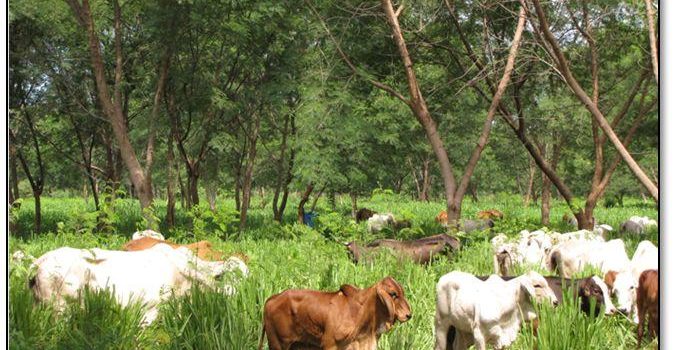
New FAO elearning course: Transforming dryland forests and agrosilvopastoral systems

The COFO working group, the FAO Forestry Division and the FAO elearning Academy (FAO-PSU) are extremely pleased to announce the publication of the certified elearning course “Transforming dryland forests and agrosilvopastoral systems” available free of charge, as a global public good, through the FAO elearning Academy: https://elearning.fao.org/course/view.php?id=945 The course is the result of a huge collaborative […]

Mountain forests are being lost at an accelerating rate, putting biodiversity at risk

More than 85% of the world’s bird, mammal, and amphibian species live in mountains, particularly in forest habitats, but researchers report in the journal One Earth on March 17 that these forests are disappearing at an accelerating rate. Globally, we have lost 78.1 million hectares (7.1%) of mountain forest since 2000 — an area larger than the […]

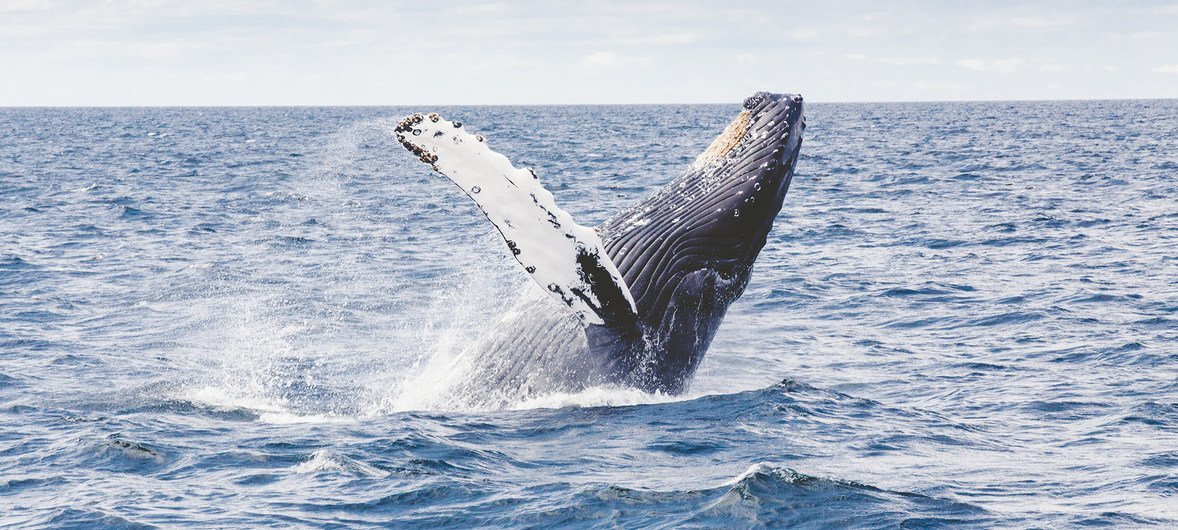
UN delegates reach historic agreement on protecting marine biodiversity in international waters

Secretary-General António Guterres has congratulated UN member countries for finalizing a text to ensure the conservation and sustainable use of marine biological diversity in areas beyond national jurisdiction, calling it a “breakthrough” after nearly two decades of talks. “This action is a victory for multilateralism and for global efforts to counter the destructive trends facing ocean health, […]

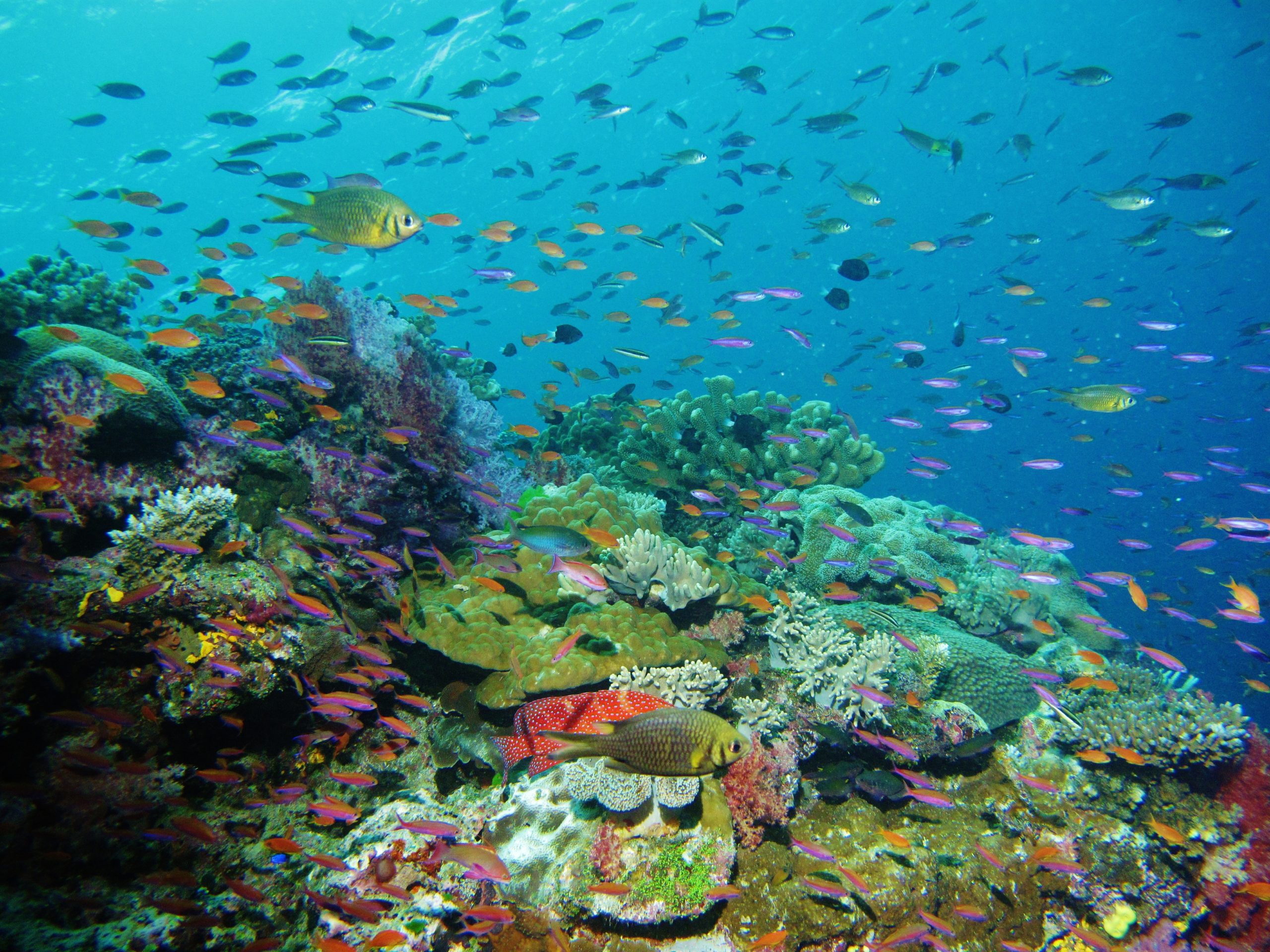
New framework launched to track progress on coral reef biodiversity

The Global Fund for Coral Reefs (GFCR), the only blended finance vehicle dedicated to coral reefs globally, has launched a new monitoring and evaluation framework to track progress on coral reef biodiversity and community resilience to climate change with the aim of enabling replication and scaling of successful interventions in the long run. The framework has been […]

Effects of urbanization on conservation

Southeast CASC researchers explore how different urbanization strategies may benefit communities, ecosystems, and conservation goals as cities continue to grow. When it comes to urbanization (increased urban development), researchers have yet to reach a consensus on whether densely packed or sprawling cities are best for biodiversity and conservation efforts. While urban growth may lead to […]

Towards reducing biodiversity loss in fragmented habitats

How well species can move among habitat ‘islands’ in human transformed landscapes is key to their survival, a study finds. When natural habitats are cleared to make way for cities, roads and agriculture, this often leaves behind “islands” of fragmented habitat that can place species at risk of extinction. Species are at risk when they […]

Vermont House passes Community Resilience and Biodiversity Protection bill (H126)

Vermont Business Magazine The Vermont House of Representatives voted 108-36 Thursday to advance H.126(link is external), an act related to community resilience and biodiversity protection. The bill passed on a third reading Friday and now heads to the Senate for consideration. According to the US Forest Service, Vermont is losing approximately 12,000 acres of forestland per year to […]

Biodiversity Conservation – Different Methods and Strategies

Biodiversity Conservation DefinitionContents1 Biodiversity Conservation Definition2 What is Biodiversity Conservation?3 Biodiversity and its Conservation Methods3.1 In-situ Conservation3.1.1 National Parks3.1.2 Wildlife Sanctuaries3.1.3 Biosphere Reserves3.2 Ex-situ Conservation4 Strategies for Biodiversity Conservation5 Why should you conserve Biodiversity?6 Frequently Asked Questions6.1 What do you understand by biodiversity?6.2 What is meant by biodiversity conservation?6.3 How can we conserve biodiversity?6.4 Why […]

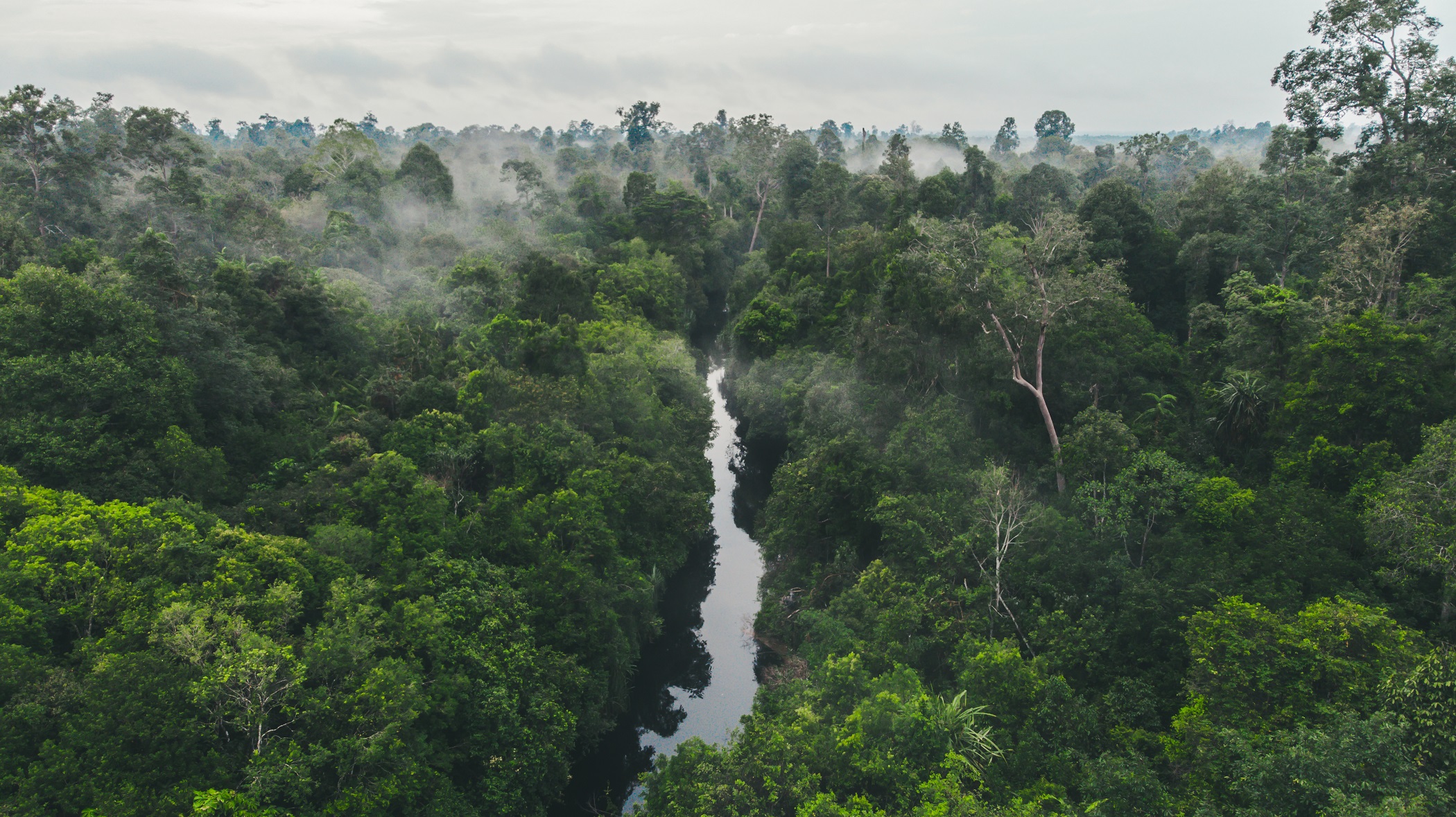
Restoring forest ecosystems

Forests and trees make Earth liveable. They provide us with clean air and water. By storing vast amounts of carbon and moderating the climate, they are a critical defence against global heating. They are home to most of the planet’s amazing biodiversity. They provide shade, recreation and a sense of well-being. And they support the […]